Chapter Index
Twenty-three chapters, 20,481 words.
Chapter 1 — The Healing Tale
↑ Back to ContentsFocus: the night it starts, and a tunnel lit better than the basement that he never put a light in.

I am Mender, I am a medic, and this is the healing tale.
I am standing in the long grass outside my own house with a man I do not know and I am trying to work out where I know him from while he talks, and he is telling me a story about a road and a night and a doctor, and about halfway through it my hands remember him before my head does and I say "You" out loud and he stops talking. Before he can start again a sound comes up out of the treeline behind him, low and wet and long, and neither of us says anything at all. A shape steps out of the woods about two hundred yards off, tall and wrong in the shoulders, and then another one comes out beside it, and then the whole edge of the woods is moving.
They come slow at first while they find us and then they come faster and faster, and I grab the back of his coat and we run for the house, and I am shouting at him before we are through the door. "Barricade it," I say. "Everything you can lift, and then the windows on this side." He asks me where I am going while I am already walking away from him toward the basement door and I do not turn around. "Downstairs," I say. "Meet me down there when the doors are done."
I go down into the dark and pull the chain on the light and start taking things off the wall.
He is longer than I expect and I hear why, furniture going over, something heavy dragged across floorboards, then his boots on the basement stairs and the door shutting behind him and the lock going across. He comes down four steps and stops on the fifth, and I know exactly what he is looking at because everybody stops on the fifth step.
The wall behind me is nine feet of rack from the floor to the joists and there is not a gap on it. Lever action rifle, three of them. A short shotgun with the stock cut down. An MP7 with two spare magazines taped together the wrong way round because I like them that way. A row of machetes going small to large, a fire axe, a coil of wire, four gas masks on pegs, and eleven ammunition cans stacked in a column under the bench with the lids off.
"I am Mender," I say. "I am a medic. What is your name."
"Bracken," he says.
I look at him for a minute while I load, because he is here for some reason or another and I would like to know what it is before the doors go. "Did I save you," I say. "No. No no, that is not it. Hmm."
"The doctor," he says. "On the north road. Two winters ago, you came out of the trees and you put my brother's arm back in the socket and you would not take anything for it."
"Oh yes," I say. "I remember you." Then I stop with a magazine halfway home because something in that does not sit right. "Wait. How did you find me."
Before he can answer I see the blood on his forearm, a dark line of it running down into his palm and dripping off his little finger onto my floor, and I put the magazine down and go over and take his wrist and turn it into the light. It is nothing. It is a long shallow cut across the meat of the arm with a splinter of painted wood still sitting in the end of it and it has bled a lot because it always looks like a lot.
"It is only a cut from blocking the door," I say. "I can have that fixed up faster than you can say medic."
I reach behind me for the device and I bring it round, and he sees it and he goes backwards into the shelving. It is a green steel canister about the size of a forearm with a trigger and a bell mouth on the front and it is honestly not a friendly looking thing, I will give him that.
"Wait wait wait," he says. "What are you doing with that."
"Oh Bracken just wait," I say, aggravated now, and I follow him along the wall while he keeps going backwards.
"That is not a bandage."
"Stand still, I am trying to heal you," I yell, and he goes round the workbench and puts it between us and I go round the other way and he goes back the way he came.
"Then what is it," he says, jumping over the ammunition cans.
I stop. He stops. We are both breathing hard and there are things coming down the hill outside and we are doing this. "Okay," I say, calmly. "How is this. If I hurt you, you can hurt me."
"Fine," he says, and he stops flailing about.
I walk over before he can change his mind and I put the bell mouth about four inches off the cut and I pull the trigger, and a green mist comes out of it with a sound like a kettle starting, and it goes into the cut and the cut closes while we are both watching it. The splinter comes out with the mist and lands on the floor. He turns his arm over in the light twice looking for the line of it and there is no line.
I put the device in his hand and fold his fingers round it and let go, and while I am doing that something upstairs comes through the front of my house.
"Okay, enough games," I say. "Grab a weapon."
I take the shotgun off the pegs and check the chamber and fling it round onto my back, then a lever action off the rack and a belt of grenades round my waist that Bracken looks at for a second too long, and last the two golden forty-fours out of the drawer where they live, into the holsters, one and then the other. He is still standing in the middle of the floor holding a healing device and trying to understand any of it, so I pull a gas mask down over my face and then I get him a sword off the wall and a rifle and a kevlar vest and I put all three into his arms at once, and then a box of the right ammunition on top, and I make sure he has got everything before he moves anywhere.
"How did you get all this," he says while he is fighting his way into the vest.
I am packing a bag by then, water and wire and the small kit and a second mask, and I sit down on the bench and change out of my boots into a pair of soft soled shoes that I can tell he thinks is the worst idea anybody has ever had in a basement. I get up and I clip the bag shut.
"I am a medic," I say.
Something hits the basement door hard enough to move the lock in the frame and dust comes off the joists, and then it hits it again, faster than the first time, and everything after that goes quicker than I want it to. I get him up and I get both of us checked over one more time because you do not leave a room like this and find out later that you left something on the wall, and then I take him by the elbow and turn him toward the corner behind the water tank where there is a door most people never notice.
I open it. Behind it there is a tunnel going away under the field, and the tunnel is lit better than my basement has ever been, and I have never once put a light in there.
Chapter 2 — Under the Field
↑ Back to ContentsFocus: a tunnel somebody built rather than dug, going the wrong way, with the numbers counting down from the other end.
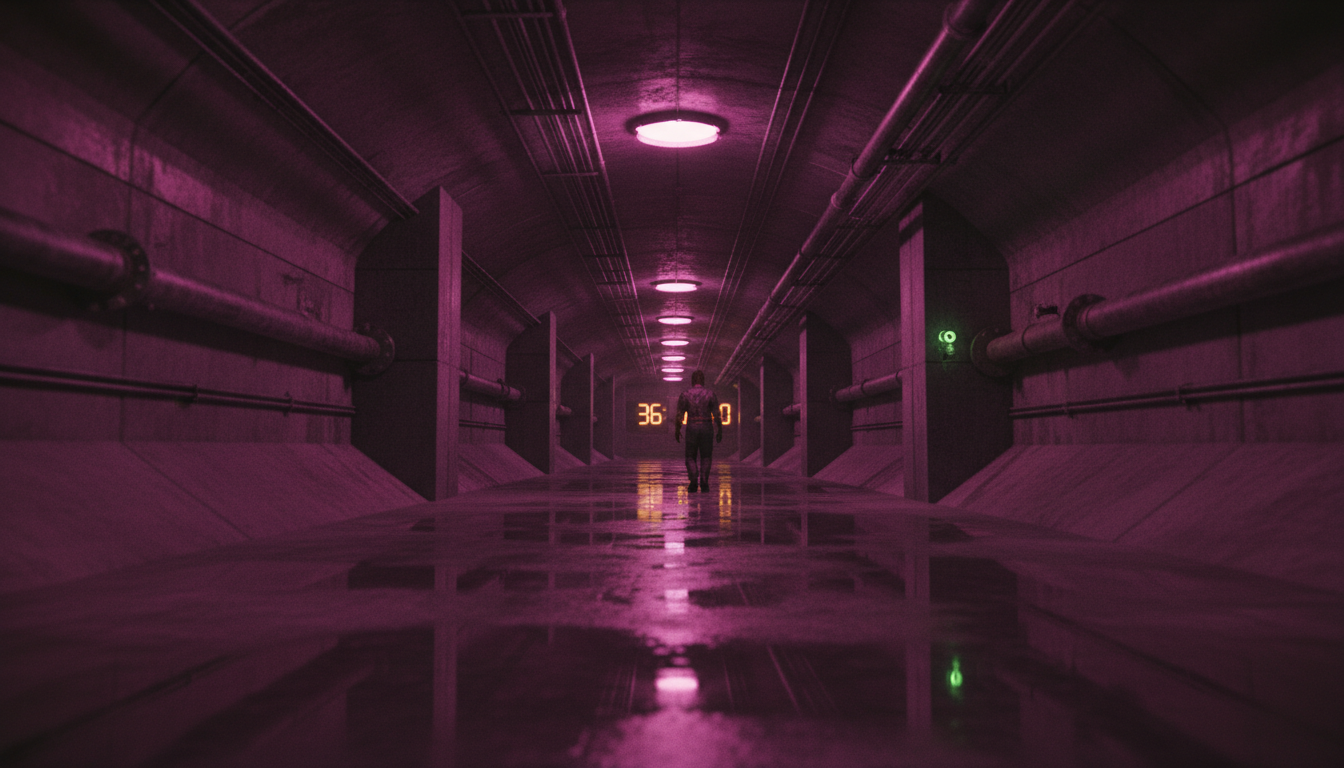
The tunnel is not a tunnel that somebody dug, it is a tunnel that somebody built.
I stand in the doorway with the shotgun across my chest and I look at it for longer than we have, because a hole in the ground under a field is one thing and this is another. The walls are poured, smooth all the way round, curved at the corners so there are no corners, and the floor has a shallow channel running down the middle of it for water that is dry and has always been dry. Every nine feet there is a light in a recess behind a grille, and every one of them is on, and they are not lamps and they are not fire and there is no wire going into any of them that I can see.
Bracken comes up beside me with the rifle held wrong and says "Did you make this."
"No," I say.
"Then who did."
"I have lived over the top of it for nine years," I say, and I step down into it, and the sound of the basement door taking another hit goes small and flat behind me. "Ask me something easier."
We go along it fast because of the noise back there. It runs straight and it runs level and it goes on going, and after about four hundred paces I stop being frightened of what is behind us and start being interested in the thing I am standing in, which Bracken will tell you later is my whole problem. The light does not flicker. Nine years I have lived on top of a lit tunnel and I have never once seen a glow at the well, never seen a warm patch in the frost, never dug a post hole and hit anything. Whoever put this here put it deep and put it right.
"It goes the wrong way," I say.
"What."
"My house faces the north road, the woods are behind it, everything anybody ever built out here runs north because that is where the market is." I stop and put my hand flat on the wall to be sure of myself. "We have been walking west for four hundred paces."
"So it goes west."
"There is nothing west," I say. "There is the salt flat, and then there is more salt flat, and then there is a mountain that nobody goes to. You do not build a tunnel this good to get to nothing."
Bracken says nothing at that and we keep going.
There are marks on the walls. I miss the first two and then I start looking for them and once you start looking they are everywhere, small and stamped and about the height of my hip. They are numbers. Every ninety paces there is a number and the numbers are going down, which means somebody counted this from the other end, which means the other end is the front and my end is the back, which means for nine years my basement has been the back door of something.
"Mender," Bracken says.
He has stopped. He is looking at the wall about four feet up where somebody has cut a line into the poured stone with a blade, a straight vertical scratch about a hand long, and under it another one, and under that another. There are eleven of them. They are not neat and they are not part of the building and they were done by somebody standing here with time to do it.
"Somebody was counting," he says.
"Days," I say.
"Or people."
I look at the eleven marks for a while and then I look back the way we came, at four hundred paces of perfectly lit perfectly poured tunnel with the numbers going down, and I decide I am not going to think about that until we are somewhere with a door I can lock.
"Keep walking," I say.
We walk. My legs are fine and Bracken is limping a little from the stairs and pretending he is not, and about a mile in the air changes. It gets colder and it gets wetter and it starts moving against us, which means there is an opening ahead somewhere pulling air through, and that is the first good thing that has happened all night. I get a hand on his shoulder and slow him down and we come round a long shallow bend with the light still going on and on in front of us like it has been waiting nine years to be walked under, and then the tunnel opens out into a room.
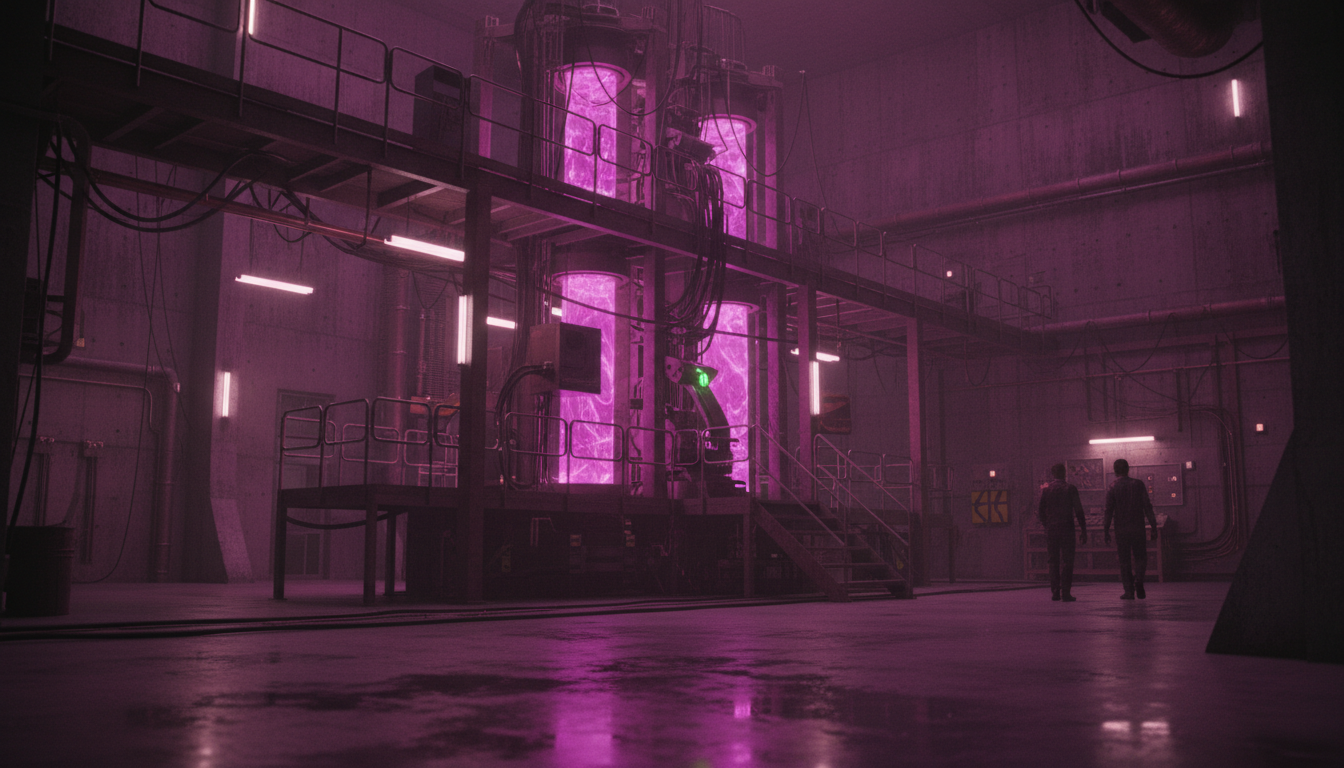
It is not a room for people. It is thirty feet across and the ceiling goes up into the dark past where the lights reach and there are four openings out of it counting the one we came in by. In the middle of the floor there is a steel frame bolted down flat, about the size of a bed, with nothing on it.
Bracken walks out into the middle before I can stop him and stands looking up.
"There is no dust," he says.
I put my hand on the frame. He is right. Nine years, and my basement gets a finger of dust a season, and this floor is clean, and the frame is clean, and there is not one thing in this room that has been sitting still long enough to gather anything.
Then the light behind us goes out, one recess at a time, all the way back up the tunnel toward my house, coming on for a second each as it goes and then dying, nine feet at a time, getting closer.
Chapter 3 — What Comes Out at Night
↑ Back to ContentsFocus: the first proper look at one, and a suture line down the spine that somebody took months over.
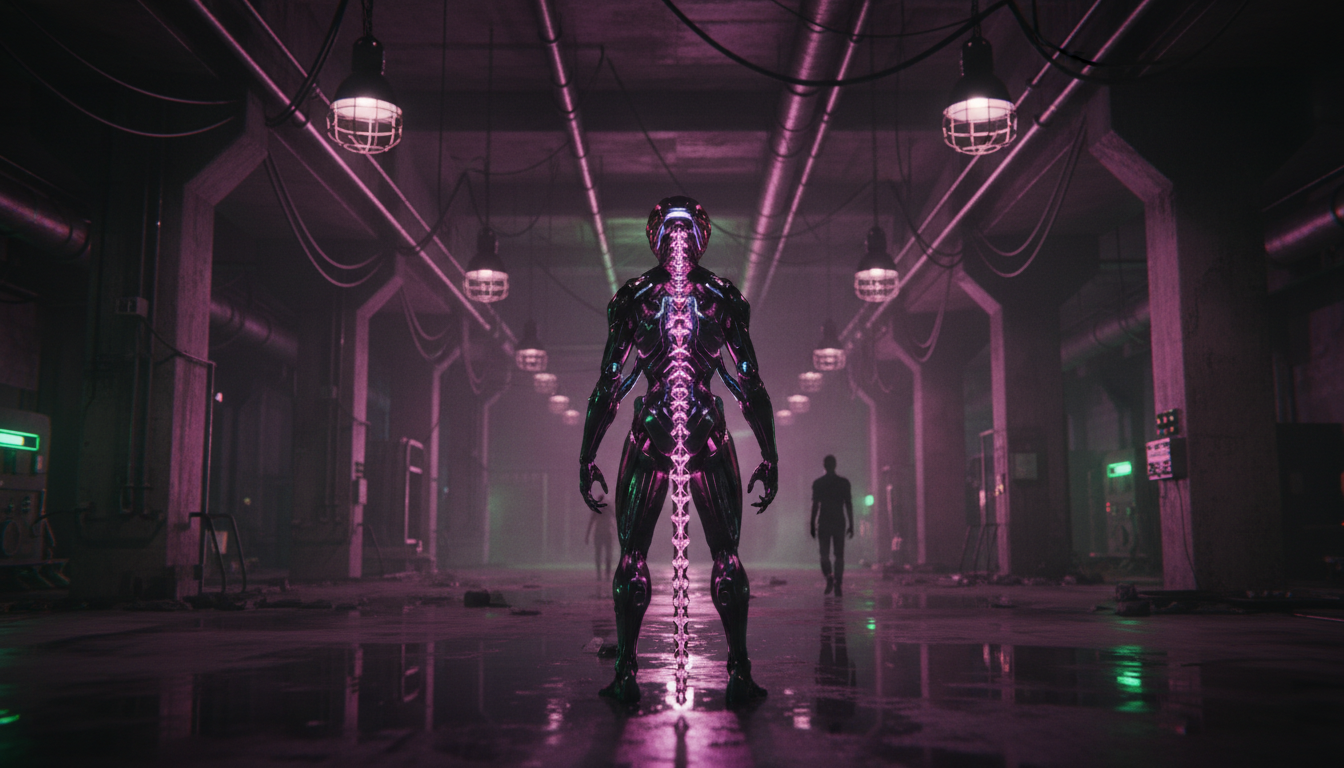
The lights are going out toward us and I am not going to stand in a clean room and watch it happen.
I get Bracken by the vest and put him behind the steel frame and I go down on one knee at the corner of it with the shotgun up, because whatever is coming has to come through a doorway nine feet wide and I would rather meet it at a doorway than in the open. The dark comes up the tunnel and gets to the last recess and that one goes out too, and then there is a long stretch of nothing at all and I can hear Bracken breathing and I can hear water somewhere and I can hear it walking.
It does not walk like a thing with four legs. It walks like a man who has been taught to walk by somebody describing it to him.
It comes into the light and I do not fire, and I will think about not firing for a long time afterwards.
It is about seven feet. The shoulders are wrong and I could not tell you why until it turns, and then I can, because the shoulders are wrong the way a coat is wrong when it is on the wrong body. The arms are too long and the joints are in the right places and there are too many of them. It is grey and it is dry and the skin over the ribs is stretched and shining like something that healed under tension. The head is down and forward and there is no face on the front of it that I can find.
And there is a seam.
It runs from the base of the neck down the spine and it is straight. Not torn, not scarred, not the way a thing tears and closes over. Straight, and even, and closed with something, and I have put a hundred and nine people back together in bad light in the field and I know a suture line when I am looking at one.
"That is not an animal," Bracken says behind me, very quietly.
"No," I say.
"What is it."
"It is somebody's work," I say.
It stands in the doorway with its head down and it does not come at us. That is the part I cannot get past even now. Everything in the woods tonight came at us the second it saw us and this one stands in a lit doorway with a room and two men in front of it and it does nothing, and its head moves side to side slow, and I understand after a moment that it is not looking for us. It is looking at the room. It came in here and it stopped and it is looking at the frame in the middle of the floor.
Then it makes a sound. It is low and it is wet and it goes on longer than a thing that size should have air for, and it is the sound I heard at the treeline before any of this started.
Bracken moves. He does not mean to, his boot goes back and catches an ammunition can I did not know was there and the can goes over, and the noise in that room is enormous.
The thing comes across the floor faster than I can raise the barrel.
I get one shot into it at about four feet and it does not stop, and I go back over the frame with it on top of me and my ears ringing and the whole weight of it pinning the shotgun flat across my chest, and I get my right hand free and I get one of the forty-fours out of the holster and I put four rounds up under the jaw of it, and it comes apart and stops.
I lie there for a second underneath the thing with my ears howling.
Bracken gets it off me. He is stronger than he looks and he is very fast now that he has decided the situation is real, and he pulls me up by the vest and puts his hand on my chest and looks at me the way I look at other people, which I find I do not care for.
"I am fine," I say. "Do not do that."
I get up and I put the light of my lamp on it and I look at what I have just killed.
The seam runs all the way down. There is a second one across the shoulders. Where the arms are too long the bone has been extended and the extension has taken, healed, grown in, gone hard, and around it the muscle has been rerouted and anchored somewhere it did not start. Somebody has done this over months. Somebody has done it well. Somebody has done it more than once, because at the base of the neck, stamped into a small square of hardened resin set flush with the skin, there is a number.
It is nine hundred and forty one.
"Mender," Bracken says.
"I see it."
"Nine hundred and forty one of them."
"That is not what a number means," I say, and I am not sure I believe myself, and I take the lamp and I hold it close and I look at the resin plate for a long time. It is neat. It is a good job. Whoever set it did it flush so it would not catch on anything and would not need to come out again, and they smoothed the edges, and they did that on a living thing that could feel it.
Behind me, out in the dark of the tunnel, the lights start coming back on.
Chapter 4 — The Second Door
↑ Back to ContentsFocus: a steel door bolted from the far side, and a second set of scratches cut by somebody who had time.
The lights come back on the way they went out, nine feet at a time, and nothing comes up the tunnel behind them.
We stand there for a while waiting for something to be wrong and nothing is. Bracken has the rifle up and pointed at the doorway and I let him keep it there because it is doing him good. I go round the room instead and I look at the four openings, because now that I can see again I want to know which one the dark came from and it was not the one we came in by.
It was not any of them. The lights in our tunnel went out from my end, from behind us, all the way from the house, and they came back on the same way, and the thing walked in through the west opening while that was happening, and those two facts do not go together unless somebody was doing both.
I do not say that out loud yet.
The west opening is the one with the air coming out of it and it is lit like everything else. The north one is lit. The south one is dark, and when I put the lamp into it I can see about twenty feet of the same poured wall and then a fall of rock that is not part of the building and has come down a long time ago.
The fourth is a door.
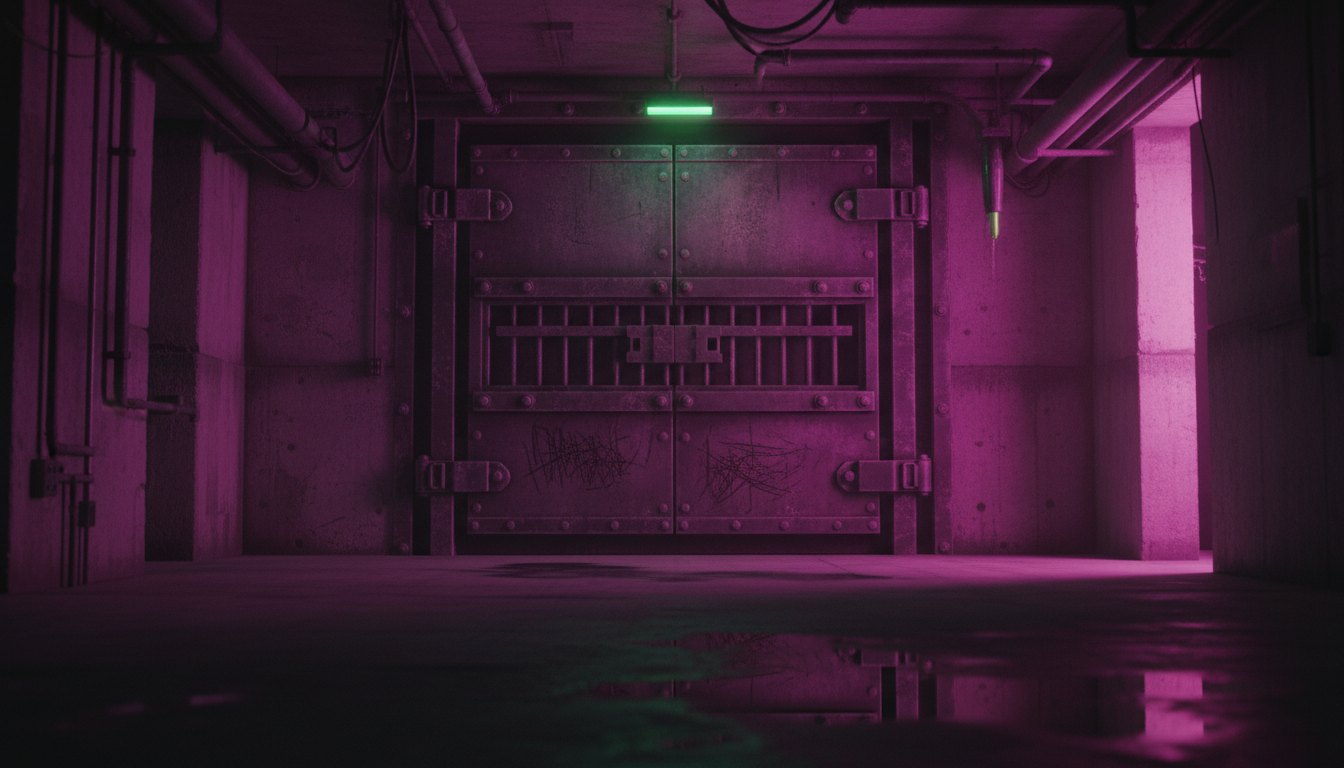
It is the only door in the whole place and it is set into the wall square between the north and west openings, steel, no handle on this side, with a plate over where a handle would go and eight bolt heads round the frame. It has been closed a long time. There is a line of rust weeping down from the top hinge and the rust has had years to make that line.
I put my hand flat on it and it is cold, and then I put my ear on it, which Bracken thinks is funny until he sees my face.
"There is air moving on the other side," I say.
"So it goes somewhere."
"It goes somewhere with a way out," I say. "You do not get moving air out of a sealed room."
Bracken comes and puts his hand on it next to mine and looks at the bolts. He looks at them a lot longer than I did and he does it in a way I recognise, which is a man who has actually built something in his life looking at how a thing was put together.
"Mender," he says.
"I know."
"The bolts are on this side."
"I know."
"You put the bolts on the side you are standing on," he says, and he is talking with his hands now, drawing it in the air. "If you are keeping something out you bolt it from where you are. Whoever did this was in that room, and they closed this door, and they bolted it behind themselves from the inside, and then they went out the other way."
"Or they did not," I say.
We both stop talking.
I get down and put the lamp along the bottom of the door where there is a quarter inch of gap and I look at the floor on the other side, and it is the same poured floor with the same shallow channel, and about four feet in there is something lying in the channel that I cannot make out. It is small and it is pale and it does not move.
"Can we get it open," Bracken says.
I sit back on my heels. The honest answer is that I have a fire axe on my back and eleven ammunition cans somewhere and about nine minutes of patience left in me tonight, and that a steel door bolted from the far side by somebody who wanted it that way is not a thing two tired men open in the dark with the lights going on and off.
"Not tonight," I say.
I mark it instead. I take the blade off my belt and I cut a line into the wall beside the frame, one straight vertical scratch about a hand long, and then I stop with the blade against the stone because I have just done exactly what somebody else did four hundred paces back, and I sit there on my heels feeling stupid and cold.
I cut it anyway. One line. Then I get up.
"West," I say.
"Why west."
"Because that is where the air is coming from and air comes from outside." I sling the shotgun and pick the bag up. "And because whoever built this counted it from that end, and I have been the back door for nine years, and I would like to see the front."
Bracken looks at the door once more on the way past.
"The thing in the channel," he says.
"I saw it."
"You are not going to say what you think it is."
"No," I say.
We go west, and the lights come on ahead of us as we walk, nine feet at a time, which they have not done once all night, and neither of us mentions it for about a mile.
Chapter 5 — Bracken's Brother
↑ Back to ContentsFocus: why he walked eleven days, and the four days old scar on a hand that should still be open.
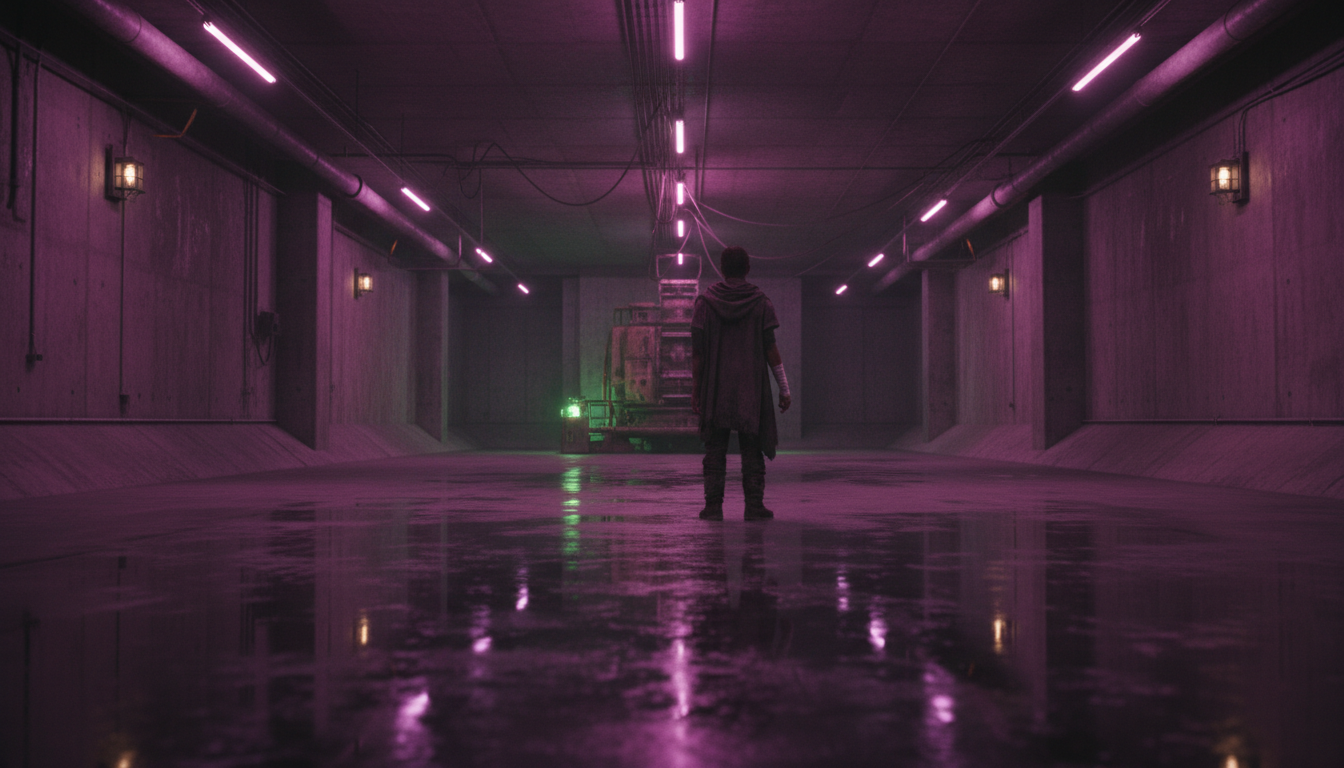
Bracken tells me about his brother somewhere in the second mile, because there is nothing else to do out here but walk and the tunnel goes on going.
"You set his arm," he says. "Two winters back, on the north road, past the mile stone with the split in it. He came off a cart and put his shoulder out and you came out of the trees like a lunatic and you had it back in before he finished shouting."
"I remember," I say.
"You would not take anything for it. He tried to give you a knife."
"It was a bad knife," I say.
Bracken laughs at that, one note, and then he stops laughing and walks for a bit.
"It never stopped working," he says.
"Shoulders do not usually. You get them back in the socket in the first hour and the joint is fine, the tissue round it is what takes the time, and if he rested it four days like I told him then he was always going to be."
"That is not what I said." He has stopped walking. I go three more steps before I notice and turn round and he is standing under one of the lights with his rifle hanging and his face doing something I do not like. "I said it never stopped working. Everybody else's did."
I do not follow that at all and I say so.
So he tells me, and it takes the whole of the third mile.
It started about a year ago in the villages north of him and it was slow enough that nobody put it together for months. People stopped healing. Not everybody and not all at once. A cut would close and open again. A broken wrist would set and go soft in the cast and have to be reset and go soft again. Old scars came apart. A woman he knew had a tooth pulled in the spring and the socket was still open at harvest. The physicians said the food, then the water, then the winter, and then they stopped saying anything, and about four months ago the first ones started going into the woods on their own and not coming back.
"And my brother's arm never went," he says. "Everything else about him went the same as everybody. He had a scrape on his knuckle in the autumn that is still there. But the shoulder you put back holds. It holds when nothing else on him does, and it is the only thing on him that anybody outside touched."
I stand in the middle of a poured tunnel under a field with a dead thing four miles behind me that had a number on its neck and I feel the floor of the whole night move under me.
"That is why you came," I say.
"That is why I came."
"You did not come because of the creatures."
"There were no creatures where I started," Bracken says. "There were people who would not knit. I walked eleven days to find a man who fixed one arm, one time, two winters ago, and the whole way here I was working out how to ask you what you did to him, and then you dragged me into a basement and shot at me with a canister."
"I did not shoot at you."
"You chased me round a bench."
I turn away from him because I need a minute and I do not want it in front of anybody. Four hundred yards of tunnel ahead of me, lights coming on, air moving against my face, and I am doing the arithmetic I have been avoiding since the seam on the back of that thing.
I set that shoulder with my hands. I did not use the device. I have never used the device on anything that was going to heal on its own because there is a countable number of doses in it, and I have counted them so many times I do not need to look.
So it is not the device. It is me, or it is nothing, and I do not believe in me.
"Bracken," I say. "When your brother came off the cart. Was there blood."
"His hand. He tore it on the rail going down."
"Did I touch it."
He thinks. He is honest about thinking, which I am starting to like about him. "You had your hands all over him," he says. "You were holding the arm and you had your thumb in the joint and there was blood on both of you by the end of it and neither of you cared."
I stand there in the light.
"Then I need to tell you something," I say, "and I need you to not run about."
"What."
I hold up my left hand and turn it over so he can see the palm of it, where there is a scar that goes from the base of my thumb across to the outside edge, white and flat and old and completely healed.
"I got that four days ago," I say.
Chapter 6 — Faster Than You Can Say
↑ Back to ContentsFocus: the device used on something that is not a person, and what it takes apart.

Bracken does not run about. He does something worse, which is that he goes quiet and thinks about it properly.
"Show me again," he says.
I show him. He takes my hand and turns it into the light and runs his thumb along the scar the way I would, and I let him, because there is nothing there to find. The line is white. It is flat. It is soft at the edges the way a scar goes after two or three years and it does not pull when I close my fist. Four days ago I opened that hand on a broken jar in my own kitchen and I bled into the sink for a quarter of an hour and I remember being annoyed about the jar.
"Does it hurt," he says.
"No."
"Has it happened before."
"Yes," I say. "For about six years. Slowly and then not slowly. I stopped counting somewhere around the point where a burn went in a day."
"And you told nobody."
"Who," I say.
He lets go of my hand and we start walking again, and after a while he says the thing I have been waiting for somebody to say to me out loud for six years, and he says it flatly and without any wonder in it at all, which I am grateful for.
"So the world stopped healing and you did not."
"Yes."
"Do you know why."
"No," I say.
That is true. It is also not the whole of it, and the whole of it is that I have a canister in my bag with a countable number of doses that I did not make, and I have never once been able to say where it came from, and I have told four different people four different stories about it and none of them were the truth because I do not have a truth to tell. It was in the house when I got the house. It was on the rack with everything else. Nine years I have been carrying a thing I cannot account for and healing faster than I should and living on the roof of a lit tunnel, and I have not put those three facts on the same table until tonight because a man can go a long way not looking at something.
We come to a place where the water channel widens into a shallow basin about a yard across and something has died in it.
It is a dog. Or it was, a long time ago, and now it is a shape lying on its side in three inches of standing water with the fur gone off it and the skin over the ribs stretched and shining, and I know what I am looking at before I get the lamp near it because I saw the same shine four miles back with a suture line down the spine.
It is small. That is the thing that gets me. It is a farm dog and it is maybe two feet long and somebody has been at the shoulders.
"Do not," Bracken says.
I am already kneeling down in the water.
The seam runs from the base of the skull down between the shoulder blades and it is the same work, straight and even and closed with the same something, and the forelegs have been lengthened and the joint has been rebuilt and the bone has taken. At the base of the neck, flush in a small square of hardened resin, there is a number and the number is one hundred and six.
And it is breathing.
It is barely doing it. There is a movement in the ribs about once every four seconds and there is nothing else, no sound, no eye moving under the lid, nothing in the legs. It has been lying in three inches of cold water in the dark under a field for I do not know how long, and it is still going, because it cannot stop.
I take the canister out of the bag.
"Mender," Bracken says.
"I know what it is."
"You said there is a countable number."
"There are nine," I say, and it is the first time I have said the number out loud to anybody.
I put the bell mouth about four inches off the seam and I pull the trigger. The green comes out with the sound of a kettle starting and goes into the line and sits there, and for about two seconds nothing happens at all.
Then the seam opens.
Not tears. Opens, cleanly, along the whole of its length, the way a thing opens when whatever was holding it shut is told to let go, and everything that was done to that animal comes undone in front of me in the time it takes to say it. The lengthened bone gives up the extension. The rerouted muscle goes back where it started. The resin plate lifts out of the neck and drops into the water with the number face up. The whole of somebody's work unhappens under the mist, in order, backwards, quickly.
And the dog dies. Straight away, quietly, because there was nothing underneath any of it that could live on its own any more.
I sit down in the water.
Bracken says something and I do not hear it. I am looking at my own hand holding a canister I cannot account for, that heals a man's arm and takes a machine's work apart, and I am thinking about eleven scratches on a wall and a door bolted from the wrong side, and I am not frightened of the things in the woods any more.
"Eight," I say.
Chapter 7 — The North Road
↑ Back to ContentsFocus: eleven miles underground and out onto the salt, and no smoke anywhere on the whole horizon.

The tunnel comes up into a building and the building has been open to the weather for a long time.
We climb four flights of poured steps with the lights still coming on ahead of us and we come out through a hatch into a room with no roof left on it, and the sky is going grey at one edge, and the air is so cold and so clean after eleven miles underground that Bracken puts his hands on his knees and just breathes for a minute.
I do not. I go straight to the wall and look out of where a window was.
We are on the salt.
I have lived nine years within a morning's walk of this and I have never come out this far and neither has anybody I know, because there is nothing here and there has never been anything here. It goes out flat and white and unbroken to the edge of what I can see in every direction, and the last of the night is sitting on it in a thin skin of water so the whole of it is a mirror, and the sky is in it, and the two of them meet somewhere out there without any line between them.
Out on it, running west, straight, there is a rail.
It is up on a bed about four feet high and it goes from the front of this building out into the mirror and keeps going until it stops being something I can see. It is not a road. It has been laid, and levelled, and it has ties under it, and the whole of it is the same distance off the ground for as far out as I can follow it, which is further than a man has any business making anything level.
"How long is that," Bracken says.
"I do not know."
"Guess."
"Twenty miles," I say, and I have no reason for the number and I turn out to be right.
We sit down with our backs against the wall out of the wind and we eat, because it has been eleven miles and neither of us has had anything since before the treeline. I get my boots back on. Bracken looks at the sword he has been carrying for eleven miles and has not used once and puts it down beside him with something like embarrassment.
"There is no smoke," he says after a while.
I look. He is right, and he is right about the direction he is looking in, which is back east toward everything, toward the north road and the villages and the market and his brother and my house. Grey light coming up over all of it and not one thread of smoke anywhere on the whole of that horizon, at the hour when every kitchen between here and the coast should be lighting.
"It was there when I walked it eleven days ago," Bracken says. "All of it was there."
I do not answer him because there is nothing to say that is worth the air.
We stay sitting for longer than we should. The sun comes up over the salt and the mirror goes from grey to white to a colour I have not got a word for, and somewhere in that the wind drops and the water on the flat goes perfectly still, and for about a minute the whole world is one clean sheet with nothing standing on it but a rail going west and two men and a building with no roof.
It is the best thing I have ever seen. I want that written down somewhere, because of everything that comes after.
Bracken gets up first.
"West," he says.
"West."
I get the bag on and I check the chamber and I put my hand on the canister through the canvas the way I have started doing without noticing, and we go down out of the building onto the salt, and the water is an inch deep and it takes the print of a boot for about four seconds and then lets it go.
We walk out along the rail.
About a mile out I stop and turn round to look at the building we came out of, because I want to know what a thing like that looks like from the outside in daylight, and it is grey and it is square and it is nine storeys and the whole east face of it is gone.
Painted across what is left, four storeys high, in letters somebody made sure would still be there long after they were not, it says one word, and the word is a number, and the number is one.
Chapter 8 — A Man With a Cart
↑ Back to ContentsFocus: a man with a good cart and a four day old burn, who is given the choice and refuses it.
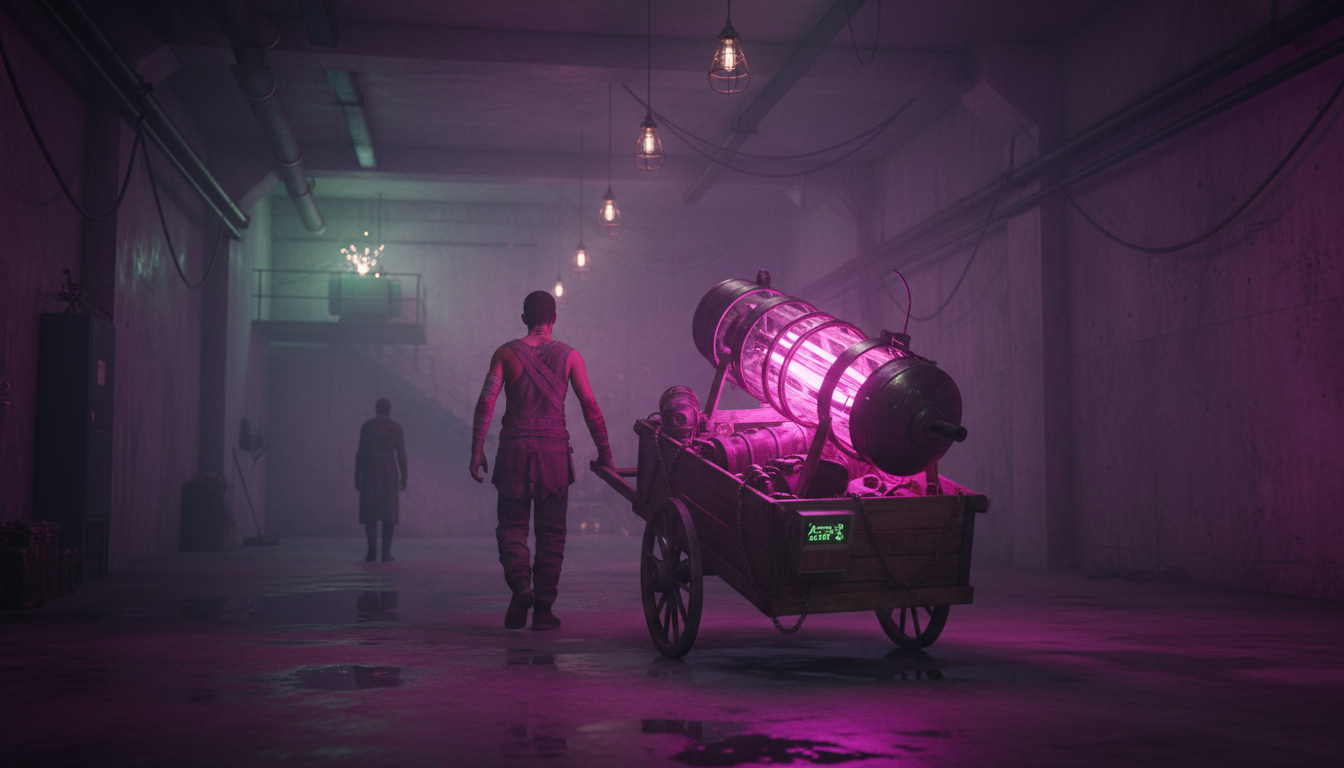
We meet the man with the cart at the ninth mile of the rail and he sees us a long time before we see him, because out here there is nothing to see anybody from behind.
He has stopped and turned the cart broadside across the bed and he is standing on the far side of it with a length of pipe in both hands, and he does not shout at us and he does not run, and I decide within about four seconds that I like him. The cart is a good cart. It has been rebuilt at the axle by somebody who knew what they were doing and there are four water cans lashed on the front of it and a roll of felt and a crate under a tarp, and the wheels have been packed out to run on the ties.
"That is far enough," he says.
We stop at about thirty feet. Bracken puts his rifle across his back which is the right thing to do and I did not tell him to.
"We came out of the building," I say.
"I know where you came out of."
"Then you know more about it than I do."
He looks at that for a while. He is maybe fifty and he has been out here long enough that his face has gone the colour the salt goes, and there is a dressing on his left forearm that is four days old and going the wrong way and I can see it from thirty feet.
"You are a surgeon," he says.
"I am a medic."
"You looked at my arm before you looked at my face."
"Yes," I say.
He puts the pipe down on the cart, not away, just down. His name is Ovid and he has been walking the rail for eleven weeks in both directions carrying whatever the four settlements at this end will pay for, and he tells us that in about nine sentences and none of them are wasted. Then he tells us the rest of it, which is that three of the four settlements have gone quiet since the spring and that the fourth has a wall.
"And the arm," I say.
"The arm is the arm."
I ask him to let me see it and he says no, and I let it go, and we sit on the rail bed and eat with him because he offers and out here that is not nothing. Then somewhere in the middle of it he says the thing he has been building up to since I said the word medic.
"You have something," he says. "For the not-healing."
I do not answer straight away.
"A man at the wall says there is a physician on the north road who fixed a shoulder that held," Ovid says. "The story is eleven months old and it has been round four settlements and it has got stupid on the way, and I did not believe any of it until you got off that rail bed and looked at my arm before you looked at my face."
"Show me the arm," I say.
He shows me. It is a burn, not a cut, a bad one across the inside of the forearm from a stove door, and it is four days old and it is not closing and the edges have gone that dull unhealthy grey that means the tissue is not being told to do anything any more. It hurts him constantly. He has been walking eleven weeks with it and he has not said one word about it and would not have.
I take the canister out.
"Mender," Bracken says.
"I know."
"Eight."
"I know what the number is," I say, more sharply than I mean to, and Ovid looks between the two of us and understands the whole situation in about a second, which is the thing that makes what happens next worse.
"How many," he says.
"Enough."
"How many."
"Eight," I say.
And he puts his sleeve down over the burn.
"Then no," he says.
I sit there with a canister in my hand and a man in front of me with a four day old burn that is not going to close on its own, and he has just refused it, and he is right, and I hate it.
"It is a burn," I say. "It is one arm. I have eight."
"You have eight and there are four settlements," Ovid says, "and one of them has four hundred people in it, and you are going to walk into it in about two days and somebody is going to be in front of you who is worse than me, and if I take one now then that person gets the arithmetic done for them by a man on a cart who wanted to stop hurting." He rolls the sleeve down and buckles it. "I have carried it eleven weeks. I can carry it to the wall."
We walk with him the rest of the day because he is going where we are going.
That night he sleeps under the cart and Bracken sleeps sitting up against a wheel with the rifle across his knees, and I lie on the salt looking at more stars than I have ever seen because there is nothing out here to put a light in the sky, and I do the thing I have been not doing.
Eight, and four settlements, and one of them has four hundred people in it.
In the morning the dressing on Ovid's arm is off and lying on the rail bed and the burn is closed, and he is asleep, and he does not know yet.
Seven.
Chapter 9 — Seven Ampoules
↑ Back to ContentsFocus: what it costs to have taken the choice anyway, and the end of a rail that was never a road.
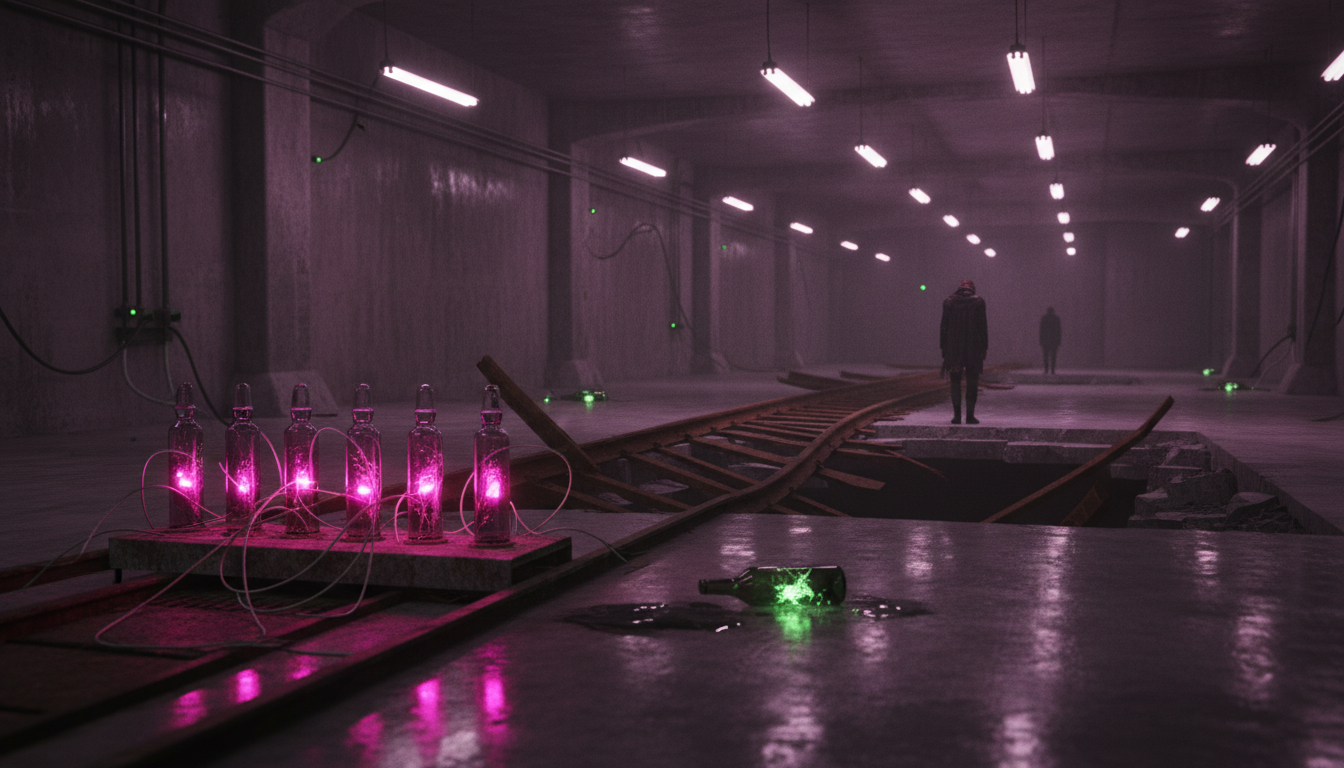
Ovid finds out at about the second hour and he does not thank me for it, and I did not expect him to and I am still not ready for what he does instead.
He sits on the rail bed with his sleeve up and turns the arm over twice in the flat morning light. The burn is gone. Not scarred over, gone, the skin across the inside of the forearm the same as the skin anywhere else on him, and the four days of it and the eleven weeks of carrying it are not written anywhere on his body any more.
"You did it while I was asleep," he says.
"Yes."
"So that I could not say no."
"Yes," I say.
Ovid nods slowly and puts his sleeve down and goes and starts checking the lashings on the cart, and he does not talk to me for four hours.
Bracken walks beside me and says nothing for a long time and then says the obvious thing, which is what he is for.
"You took his choice."
"I know what I did."
"He gave you a good reason and you waited until he was unconscious and did it anyway."
"I know what I did," I say.
"I am not having a go," Bracken says, and he is not, and that is worse. "I would have done it. I am saying that if you are going to be the man who decides, then you are the man who decides, and there are seven left and there are four settlements, and you have just used one on a burn on a forearm because you liked him."
That is the whole of it and he has said it in a sentence and I walk about a mile with it.
Because he is right. It was not triage. Triage is a thing I know how to do and I have done it in a field in bad light with people screaming and I am good at it. This was a man being decent to me about his own arm and me not being able to stand it.
Ovid comes back to me at about the sixth hour and walks beside me for a while before he says anything.
"How does it work," he says.
"I do not know."
"You do not know."
"I know what it does. I do not know what is in it. I did not make it." I keep my eyes on the rail because it is easier. "It was in the house when I got the house, on the rack with everything else, and I have never once been able to say where it came from, and I have told four people four different stories about it because none of them wanted the true one."
"Which is that you do not know."
"Which is that I do not know."
Ovid takes that better than the four other people did. He walks with it for a while and then he says, "Seven."
"Seven."
"Then you will want to know what is at the wall," he says, "because there is a woman there who has been keeping four hundred people alive for a year without one of those, and she does it with her hands and boiled water and a book, and her people close up better than mine do." He looks over at me. "She will not like you."
"Why not."
"Because you can do in four seconds what takes her nine days," Ovid says, "and she has spent a year working out how to do it in nine days, and she is better at this than you are."
We come to the end of the rail in the afternoon.
It does not run out. It stops, squared off, finished, with the last tie bedded and the last plate bolted and the whole of it ending in a neat cut edge four feet above the salt, and past the end of it there is nothing at all, just white going on until it stops.
I stand at the end of the rail and look west at nothing for a long time.
"They were not building a road," I say.
"No," Ovid says.
"A road goes somewhere. This goes twenty miles and stops in the middle of a flat and everything about it is finished. Nobody ran out of money, nobody ran out of time, they laid the last tie and they levelled it and they went home."
"Or they went up," Bracken says.
I turn round and look at him.
He is standing at the end of the rail with his hand flat on the last plate and he is not being clever, he has just spent his life around carts and axles and load and he has looked at twenty miles of dead level and drawn the only conclusion the shape allows.
"It is not a road," he says. "It is a run."
Chapter 10 — The Quiet Village
↑ Back to ContentsFocus: sixty houses with every door hooked open, nine loaves in a cold oven, and four tracks converging on a well.
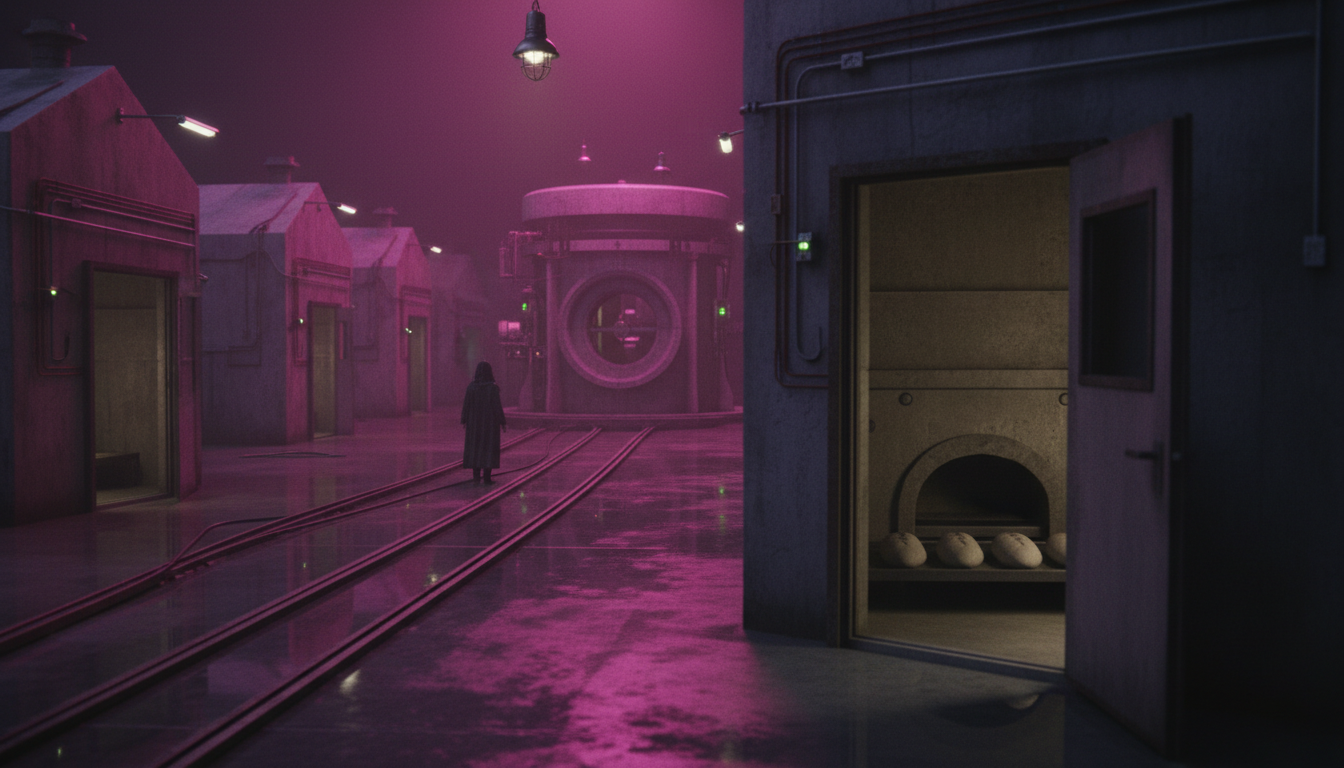
The first settlement is a day north of the rail end and we smell it before we see it, and what we smell is bread.
That stops all three of us in the road. Ovid puts a hand on the cart to hold it still and Bracken looks at me and I look at him, and none of us says anything because there is nothing to say about the smell of baking on a road where three settlements have gone quiet since the spring.
It is called Ash Hollow and it is about sixty houses in a fold of ground with a stream running through the middle of it, and we come down into it at the ninth hour with the light going long and gold across the roofs.
Every door is open.
Not broken. Open, standing wide, hooked back on the catch the way you hook a door when you are going in and out with your hands full. There is washing on a line behind the fourth house and it has been rained on and dried again more than once. There is a barrow tipped up against a wall with the handles down and a shovel leaning next to it. There is a horse in the paddock at the end and it is alive and it is fat and there is grass up to its knees, and it comes to the fence to see us because it is bored.
The bread is in an oven behind the bakehouse with the door open and the fire long dead, and there are nine loaves in it, and they are hard as stone and they have not been touched by anything and they smell like that because the oven is stone and stone keeps a smell for a year.
Nobody is dead. That is the part I keep going back to. I go through eleven houses because I have to and there is not one body in any of them, and there is no blood, and nothing is broken, and nothing has been taken.
In the fourth house there is a table laid for four with the plates down and the knives set and a jug in the middle, and there is food on the plates, and it has gone to nothing and the flies are long finished with it, and the chairs are pushed in.
"They stood up and pushed their chairs in," Bracken says behind me.
I go and look at the door of that house. The catch is hooked back. Whoever went out of it last hooked the door open on the way through, which is what you do when you are coming back.
Ovid will not come inside any of them. He stands in the road with the cart and he watches the ridge, and when I come out of the fourth house he says, without looking at me, "I have been through here four times since the spring."
"And it was like this."
"It was like this the first time. In the spring. I came down that road and I called out for an hour." He turns the pipe over in his hands. "I have not gone into a house since the second time."
"Why not."
"Because the second time I went into the one with the table," Ovid says, "and I sat down in one of the chairs. And I got up again. And when I looked back the chair was pushed in."
Bracken finds the well.
He shouts for me from the middle of the settlement and I get there fast with the shotgun and he is standing about ten feet back from it with his hand up telling me to stop, and I stop.
It is a good well, dressed stone, a low wall about waist high with a windlass over it, and the bucket is on the rope and the rope is wound in.
There is a path worn to it.
That is not strange in a settlement, a well has a path. What is strange is that the path is worn through the grass that has grown since the spring, and it comes into the well from four directions, and the grass has grown up over everything else in this place and stands up to the knee in the road and around the doorsteps and along the walls, and there are four tracks through it converging on this well, and they are recent, and they are wide.
They are not footpaths.
Something has been dragging itself to this well from four directions for months. The grass is not trodden, it is crushed and broken outward the way it goes when a weight is pulled across it, and where the four tracks meet the stone at the base of the wall is scored.
"Mender," Bracken says quietly. "The creatures do not drink."
"No," I say. "They do not."
I go up to the wall and put my hands on it and lean over and look down, and it is black, and it is deep, and about nine feet down the wall of the shaft is wet where nothing should be wet, and the wet is moving.
Chapter 11 — Something in the Well
↑ Back to ContentsFocus: twenty two feet down a shaft that stops being dressed stone, and a number that is far too small.
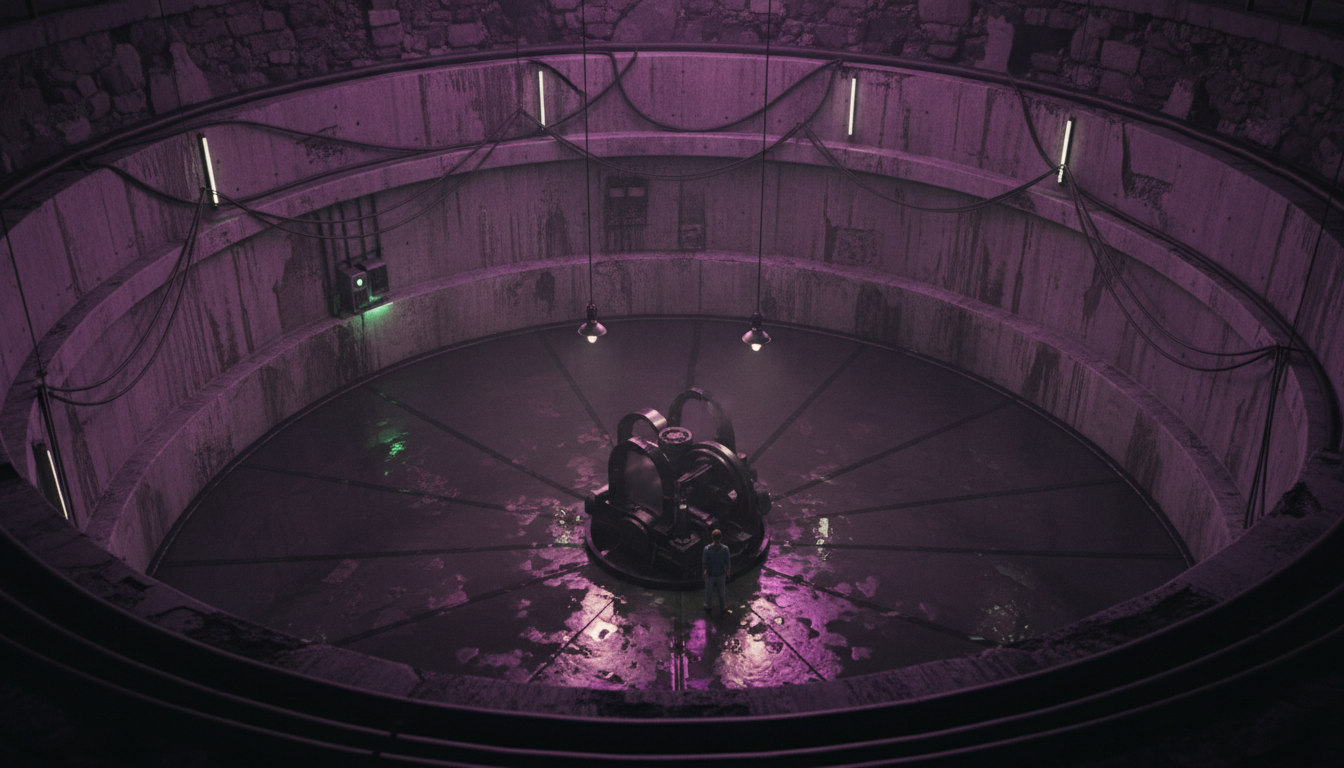
It takes us two hours to get set up over the well and Ovid spends the whole of it telling me not to.
I do it anyway. We get the windlass rope off the bucket and put the good rope on, and I take the belt of grenades off because if I am going down a shaft I am not doing it with those round my waist, and I put on the second gas mask and clip the lamp to my chest, and Bracken takes a turn round the frame and braces his boot against the base of the wall.
"You are heavier than you look," he says.
"I am exactly as heavy as I look."
"You are going to be heavier when you are wet."
Nine feet down the wet starts and it is not water.
It is on the stone in a film about a finger thick and it is moving slowly upward against the pull of the world, and where the lamp goes on it it does not shine like water, it shines like the skin over the ribs of the thing I killed under the field. I put a gloved hand into it and it comes apart under my fingers and closes again behind them, and it is warm.
Fifteen feet down the shaft is not a shaft any more. The dressed stone stops on a line as clean as a cut and below that it is poured, smooth all the way round, curved at the corners so there are no corners.
I hang there on a rope in a poured shaft under a settlement where every door is hooked open, and I laugh, which is a bad sign in a man and I know it.
"What," Bracken calls down.
"It is the same builder," I shout up.
Twenty two feet down my boots go into it.
I get the rope round my arm and hold and I put the lamp down between my feet and look, and the film has become a body of the stuff filling the bottom of the shaft, and it is about four feet deep and it is going round slowly, and there are things in it.
Bones. Not laid, not fallen, arranged. Femurs stacked in a course along one side like a man builds a wall, three high and going round the curve. A row of skulls set into the poured stone at the waterline in a groove that was made for them, spaced even, all facing out. And below that, under the surface, more of it going down further than my lamp will reach, all of it stacked, all of it in courses, all of it done by something with patience.
None of it is human.
I go down the list twice because I do not believe myself the first time. Every femur in that course is the wrong length and has been made longer. Every skull in that groove is a farm animal with the plate still in the neck and the number still on the plate, and the plates are all at the same angle, because whoever set them lined them up.
The stuff moves against my boots and I feel it go up over the ankle and it is warm and it is not doing anything to me.
I take a sample the way I was taught, which is with a jar and no ceremony, and I get the jar shut and into the bag, and I take one of the plates out of the groove because I want a number I can hold, and it comes out of the poured stone easily and cleanly, the way a thing comes out of a slot that was cut for it.
The number on it is nine.
Not nine hundred. Not nine thousand and something. Nine, stamped small and centred in a square of resin, and I am holding it under a lamp twenty two feet under a settlement where nobody died, and I understand that I have been counting the wrong way all night, and that the thing in the tunnel with nine hundred and forty one on it was late.
Then everything in the shaft goes still at once.
The stuff stops turning. The film on the walls stops climbing. The whole of it holds, all the way up past my lamp and out of the reach of it, like a room full of people stopping talking.
"Pull me up," I say.
"What."
"Bracken. Pull me up now."
Chapter 12 — Trade
↑ Back to ContentsFocus: the thing Bracken is good at, and the first time in eleven days that anybody laughs.
We are four miles out of Ash Hollow before anybody says anything, and it is Ovid, and what he says is that he is not going back to that place again for any money that exists.
Nothing came up the shaft after me. I want that written down because of what people say afterwards. I came up on the rope with a jar and a resin plate in my bag and the stuff went still and stayed still, and Bracken pulled me out and we walked out of that settlement fast without speaking and nothing followed us, and the horse in the paddock came to the fence again to watch us go.
The wall is a day and a half north. We make camp at the ninth hour off the road behind a spoil bank because Ovid says you never camp on a road, and I get the jar out and put it on a flat stone and sit looking at it by lamplight for a long time.
The stuff in it has stopped moving. That is the first thing. It came out of the shaft doing what it was doing and about an hour after it went into the jar it stopped, and now it is a grey film sitting in the bottom with no more life in it than paint.
The second thing is that it does not want to be in a jar and it has done nothing about that whatsoever, and I have met a number of things this week that would.
I am still sitting there at the eleventh hour when Bracken comes over and sits down on the other side of the stone and starts talking about the wall.
"You are going to walk in there," he says, "and you are going to say you are a medic, and they are going to take you to the woman with the book, and inside about four minutes you are going to tell her that everything she is doing is nine days too slow."
"I am not going to say that."
"You will not say it. You will do the thing with your face." He picks up a stone and turns it over. "You did it to Ovid about his arm and you did it to me on the stairs, and it is not rudeness, it is just that your face gets there before you decide anything."
"And what do you suggest."
"That I go in first," Bracken says.
I put the jar down.
"You have been on the road eleven days and you are carrying a sword you have not drawn," I say. "What exactly are you going to do."
"I am going to tell them we have a cart, four water cans, a roll of felt, a crate of iron nails, and a man who set my brother's shoulder two winters ago and it held." He says all of it in one go, in order, without stopping, in a voice I have not heard him use before, and I realise about halfway through that he has been building this since the rail end. "And then I am going to not mention the canister at all, and I am going to let them ask me four questions, and then I am going to let their wall answer the fifth one for us."
"Which is."
"Whether anybody at that wall has ever come out of it and gone north." He looks up. "Because if the answer is no then Ovid is the only person on this road who knows what is behind us, and Ovid is not going in there, and that means the four hundred people behind that wall do not know that a settlement two days south is standing empty with the doors hooked open."
I sit with that for a while.
I have been on the road eleven days with this man and I have been carrying him. That is what I thought. I set the pace and I took the front and I told him when to sleep and I handled the thing in the tunnel and I went down the well, and somewhere in the middle of it I stopped noticing that every time we have met a person he has done the talking and every time it has gone better than it was going to.
"You did the cart," I say.
"What."
"Ovid. Thirty feet, broadside, pipe in both hands. I said we came out of the building and he did not care. You put the rifle on your back."
"He had already decided about you," Bracken says. "He decided when you looked at his arm. I just gave him a reason to put the pipe down."
"You are good at people."
"I am not good at people," he says. "I am ordinary at people. You are unbelievably bad at them and it makes me look good."
And I laugh at that, out loud, for the first time in eleven days, and Ovid shouts over from the cart to keep it down, and I put the jar back in the bag and I hand Bracken the rifle he keeps leaving on the ground.
"You go in first," I say.
In the morning we come up over the last rise before the wall, and the wall is four hundred yards of quarried stone eleven feet high with a walk on the inside and men standing on it, and there is smoke coming off forty chimneys behind it, and the gate is open, and there is a queue.
Chapter 13 — Hallow
↑ Back to ContentsFocus: four hundred people behind a wall, fed and washed and unfrightened, and not one open wound anywhere in it.
The wall is called Hallow and the first thing anybody says to us is welcome, and they mean it, and that is the beginning of the trouble.
Bracken goes in first the way we agreed. He gives them the cart and the cans and the felt and the nails in order without stopping, and he does not mention the canister, and he lets them ask him four questions, and the four questions are where from, how long on the road, how many of you, and can any of you work. Nobody asks whether we are sick. Nobody looks at our hands.
They put us through the gate in about nine minutes and a boy of about fourteen takes the cart and gives Ovid a wooden tally with a number burned into it, and Ovid looks at the tally for slightly too long before he puts it in his coat.
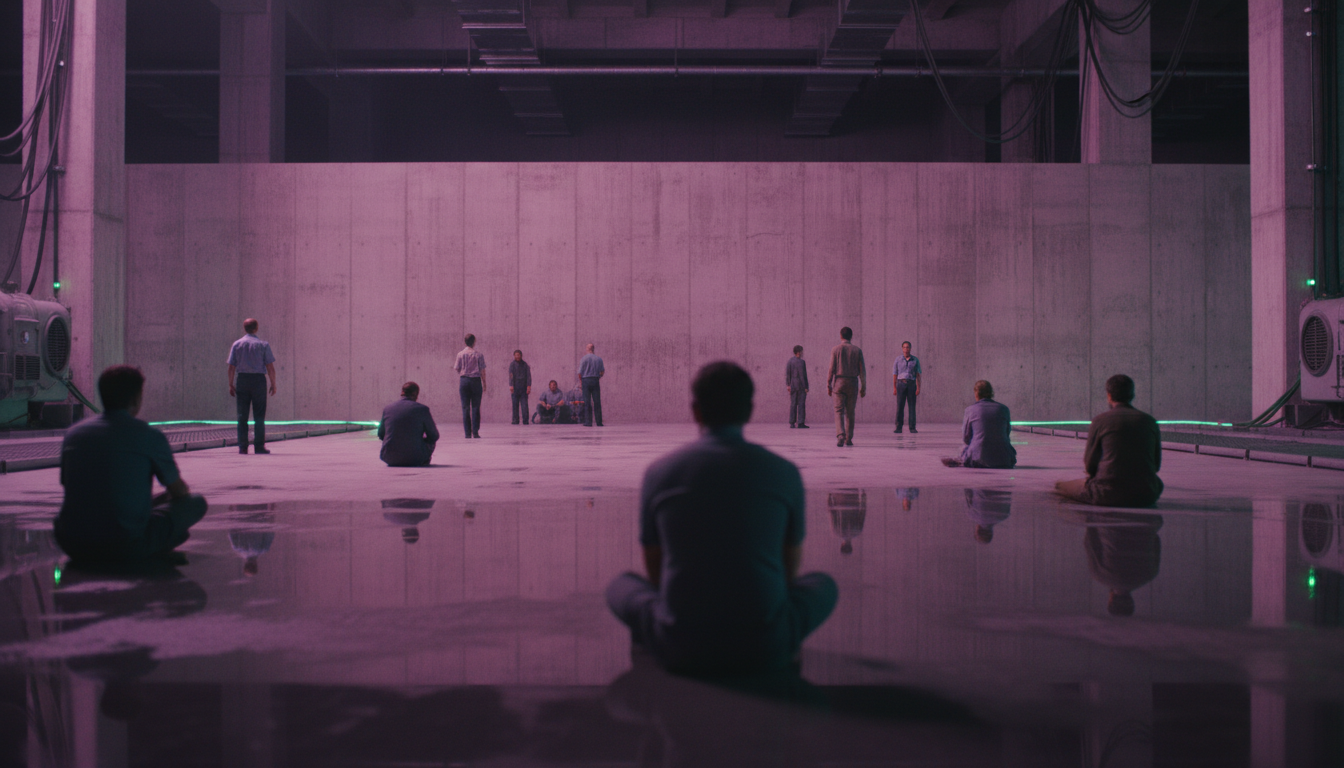
Inside there are four hundred people and it is the best organised place I have ever stood in.
The road through the middle is swept. There is a water queue and it is moving. There are two women running a stall of boiled cloth strips and there is a line for that too and the line has an order to it that nobody is enforcing. Somebody has built a covered walk down the whole east side out of salvaged doors so that people can queue in the wet. There are children and they are loud. There is a smell of soup that is not thin.
Four hundred people, a year into a world that stopped healing, and they are fed, and they are washed, and they are not frightened.
"Say it," Bracken says quietly, beside me.
"I have not said anything."
"Your face."
"I do not know what is wrong," I say. "And that is what is wrong."
Because something is. I have walked into forty settlements in my life and I know the sound of one, and this one is missing a note, and it takes me two days to work out which one and I will get to that.
They take us to the hall to be counted and the woman with the book is called Idrisi and she is about my age and she does not get up.
She has a table with a ledger open on it and a rack of boiled instruments behind her under a cloth, and her hands are cracked to pieces from washing and there is a boy of nine sitting on the end of her table having a dressing changed while she talks to us, and she does the dressing without looking at it once.
"Three," she says. "Names."
Bracken gives them. She writes them.
"Anybody carrying anything open," she says.
"No."
"Anybody carrying anything closed that was not closed a month ago."
Bracken does not look at me. I will give him that for the rest of my life. He does not look at me and he does not answer either, and Idrisi writes something in the ledger and then puts the pen down and looks up at me properly for the first time.
"You are a physician," she says.
"A medic."
"Where did you train."
"In a field."
"Under who."
"Nobody," I say.
Idrisi looks at me for about four seconds and I watch her put me in a category, and it is not a flattering one, and it is the correct one.
"There are two rules here," she says. "You do not treat anybody without bringing them to me first. And you do not tell anybody in this settlement that something can be fixed until you have fixed it." She goes back to the boy's dressing. "The first one is because I have had four men come through that gate in a year with something in a bag and a good story. The second one is because hope costs me more than infection does and I am the one who pays it."
"That is a hard way to run a clinic," I say.
"It is a hard clinic," she says.
She finishes the dressing and lifts the boy off the table and he goes running out into the road, and I watch him go and I see the arm swing and I see the elbow bend and I see about four things about that boy that add up wrong, and my face does what Bracken says it does.
"You want to say something," Idrisi says.
"His dressing is nine days old."
"Yes."
"It is clean and it is closing."
"Yes."
"Nothing in this settlement should be closing," I say. "Four hundred people in a year and every one of them should be carrying something that will not knit, and I have walked the length of your road, and I have not seen one open wound anywhere in this place."
Idrisi picks the pen back up.
"No," she says. "You have not."
Chapter 14 — The Other Doctor
↑ Back to ContentsFocus: six hours watching a woman with cracked hands beat the thing that is killing the world by writing times on a wall in chalk.
Idrisi lets me watch her work on the second day and I learn more in six hours than I have learned in nine years.
She does not teach and she does not explain and she does not once look up to see whether I am following. She has a room off the hall with four beds in it and a bench and a stove going constantly under two pots, and everything in that room has been thought about. The instruments come out of the pot and go onto a boiled cloth and are used and go back into the pot, and she does not touch a handle with a hand that has touched anything else, and she does it that way at the fourth hour of the morning when she is tired and nobody is watching, which is the only test that matters.
There is a girl of about twenty on the second bed with a leg opened from the knee down, four days old, from a fall.
In my house that is a canister and four seconds. Here it is nine days, and Idrisi has the nine days planned out in advance like a march.
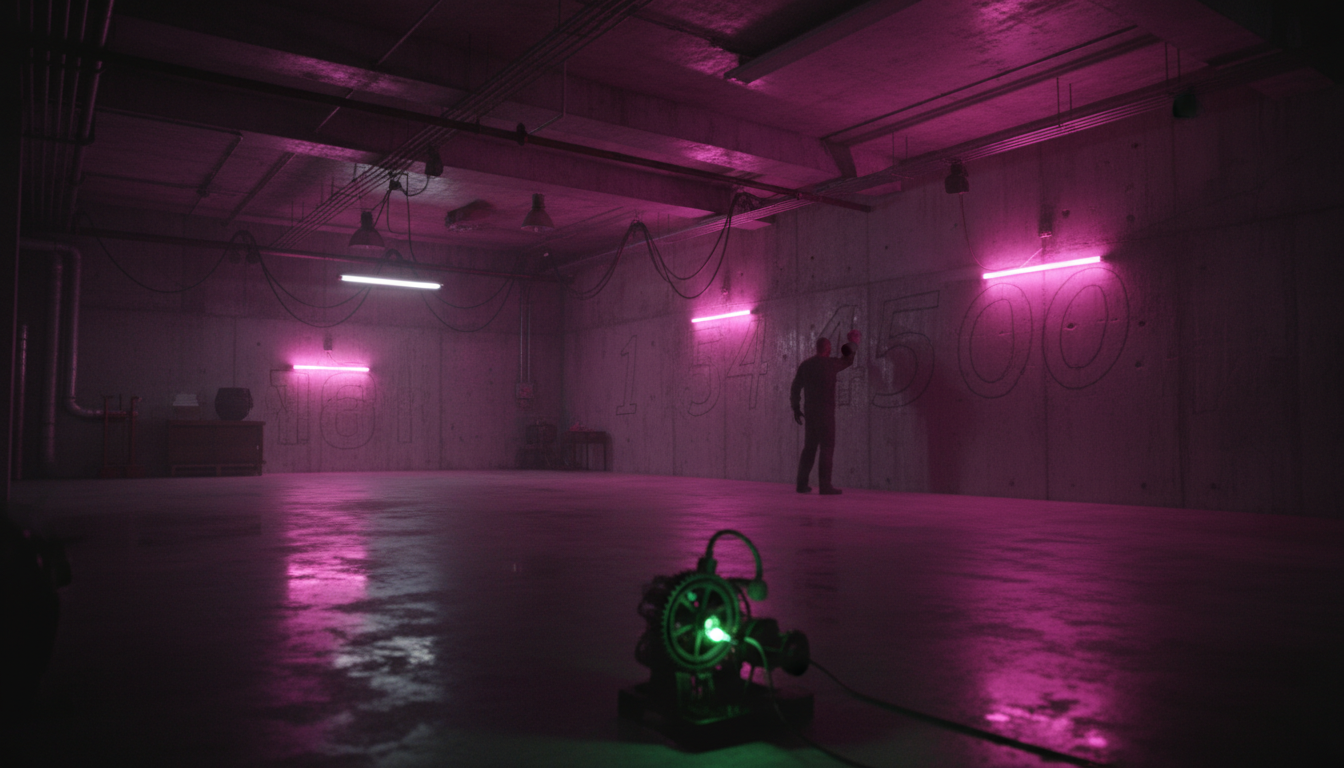
She irrigates it. That is the whole of the first hour and she does it with boiled water gone cold and she does it until it is clean and then she does it more, and the girl swears at her steadily and Idrisi lets her. Then she brings the edges together with strips rather than stitches, because stitches need the tissue to hold a knot and the tissue does not hold anything any more, and the strips get changed on a schedule and the schedule is written on the wall above the bed in chalk with the times on it.
"Why the wall," I say.
"Because I sleep," she says.
The leg is closing. Four days in and it is closing and it should not be, and I stand there with a canister in a bag and watch a woman with cracked hands beat the thing that is killing the world by writing times on a wall in chalk.
"You are doing something else," I say.
"I am doing that," she says.
"Nothing in your settlement has an open wound."
"No."
"That is not what your method does. Your method makes a wound close slower and better than it would. It does not make four hundred people all be closed at once." I am aware I have said it too flat and I do not stop. "Somewhere in this settlement there is a thing you are not telling me and I am going to find it whether you tell me or not, and you would rather I heard it from you."
Idrisi puts the strips down and washes her hands and dries them on the cloth at her belt and looks at me properly for the second time in two days.
"You want to see the good outcome," she says. "Come back at the ninth hour and I will show you the ledger."
I go out into the settlement instead and I walk the whole of it for four hours and I count.
Four hundred and eleven people. I get to that number twice. There are ninety one children and there are eleven people over sixty and there is nobody in this settlement between about fifty and sixty except Ovid who arrived four days ago. There is a smith with a hand missing at the wrist and the stump is old and clean and closed. There are two men with old scars and one woman with a limp that has set. There is not one bandage on one person in this entire place except the girl on the second bed and a boy with a dressing on his elbow.
Four hundred and eleven people, a year in, and two dressings.
I go and stand at the gate at about the eighth hour and I watch it, and I count that too. Nine people go out in an hour. Nine people come back in an hour. The tally boy writes both down.
Then I walk the inside of the wall all the way round, four hundred yards of it, and at the north end where the wall meets the rock there is a second gate.
It is small. It is the width of one person. It has a bar on the inside and it is not guarded and it does not have a tally boy, and there is a path on the inside of it worn to bare earth, and the grass on the far side of it going away north has been walked flat.
I am still standing there when Ovid comes up beside me with his hands in his coat.
"I found it yesterday," he says.
"How many use it."
"I have not seen one person use it," Ovid says. "In four days. And that path did not wear itself."
Chapter 15 — What They Do With the Sick
↑ Back to ContentsFocus: the ledger, the ninety names on the different coloured paper, and the arithmetic that is correct.
Idrisi shows me the ledger at the ninth hour and it takes her about four minutes to destroy the whole of the last two days for me, and she does it kindly, which I would not have chosen.
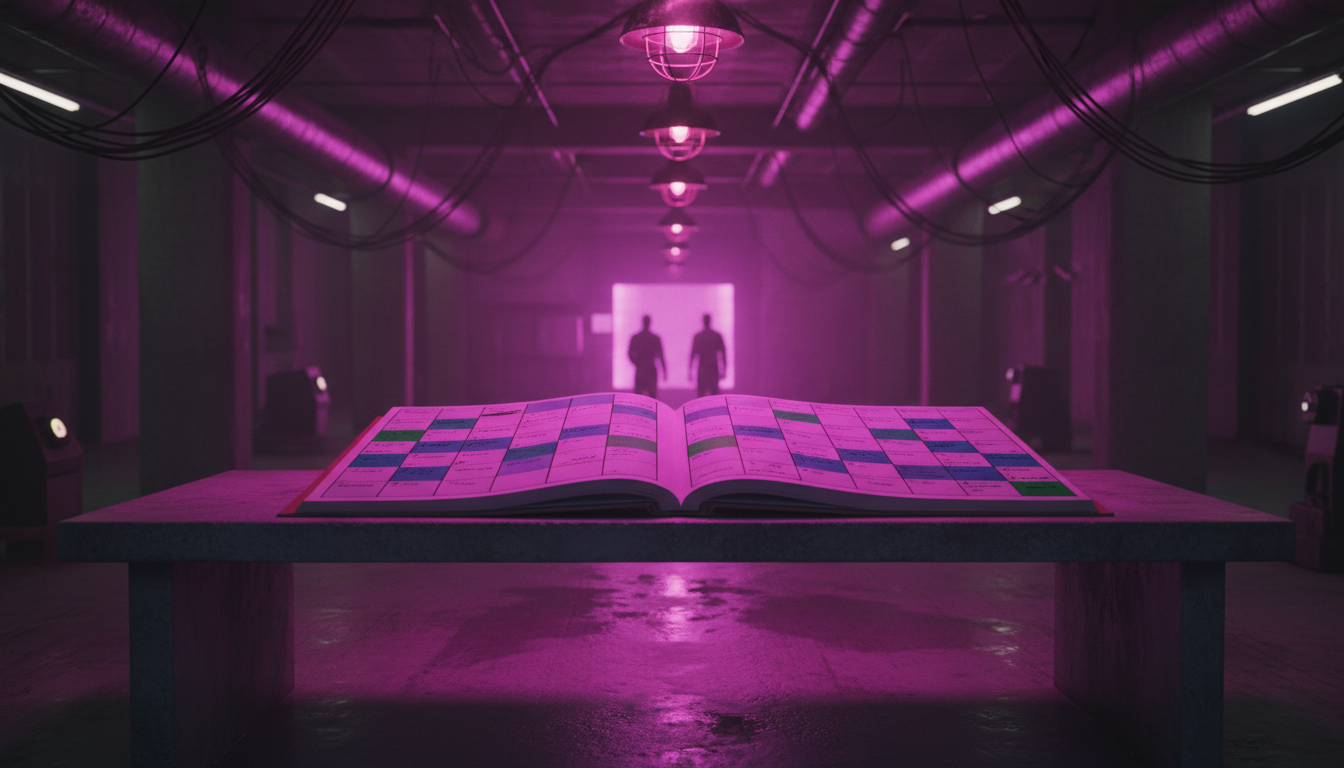
It is a good ledger. Every person in Hallow is in it by name with a date and a column for anything that has happened to them, and it is written in the same hand from the first page to the last, and there are four hundred and eleven names.
There are also, at the back, on paper of a different colour, ninety more.
"Those have left," she says.
"Left."
"Gone out through the north gate."
I turn the pages. The entries are short and they are all the same shape. A name, a date, a line about what was wrong, and then a second date about two or three weeks later, and then the word out.
Every single one of them has an open wound in the first line.
"Say it," I say.
"You have already got it."
"I want you to say it."
Idrisi closes the ledger and puts her hand flat on it, and says it in the voice of somebody who has said it in front of four hundred people and will say it again.
"If a wound has not begun to close in twenty one days," she says, "the person carrying it leaves the wall."
I stand there.
"That is the rule," she says. "It was voted. It carried by a long way and I argued for it and I would argue for it again tomorrow, and I am the one who does the assessment, and I am the one who writes the date, and I am the one who tells them."
"You send them out."
"Yes."
"To where."
"There is nowhere," Idrisi says. "That is not a dodge, it is the answer. There is nowhere for them to go and everybody in that ledger knew it and so do I."
And then she gives me the arithmetic, and this is the part I cannot get around, and I have tried for a long time since.
A wound that will not close is not a wound here. It is a permanent open door on a person in a settlement with one physician and no supplies. It takes boiled cloth every day forever, and cloth is finite, and the loom is four women and it also has to make everything else. It takes water off a queue that is already an hour long. It takes her hours, every day, for the rest of that person's life, and her hours are the only thing standing between four hundred people and a fever going through them. And it does not get better. That is the thing. In the old world you spent the cloth and the hours and the water and at the end of it there was a closed arm and a person who went back to work, and now you spend all of it and at the end of it there is the same open arm and one less roll of cloth.
"Ninety people," she says. "And I can show you what happens if I keep them, because I did keep them, for the first four months, all of them, and I have the ledger for that too, and it is the only page in this book I cannot read out loud."
"You are telling me you tried it."
"I am telling you I did it for four months and thirty one people died of things that had nothing to do with their wounds," Idrisi says, "because I was in a room changing a dressing that was never going to change anything while a boy four houses along went from a cough to nothing in nine days."
I sit down on the end of the bench.
"There is a smith here with no hand," I say.
"He came in like that. It was closed."
"And if it opened tomorrow."
"Then in twenty one days he would go out through the north gate," she says, "and I would write the date, and I would not sleep, and I would do it."
I look at the ledger with the ninety names in it on the different coloured paper and I think about a canister with seven doses in it sitting in a bag four feet away from a woman who has just told me she has sent ninety people into the country to die on arithmetic she did correctly.
"Idrisi," I say.
"No," she says. "Whatever it is. Not tonight. I have to be right about this in the morning."
Chapter 16 — The Argument
↑ Back to ContentsFocus: who chooses, asked eleven times in different shapes by somebody better at this than he is.
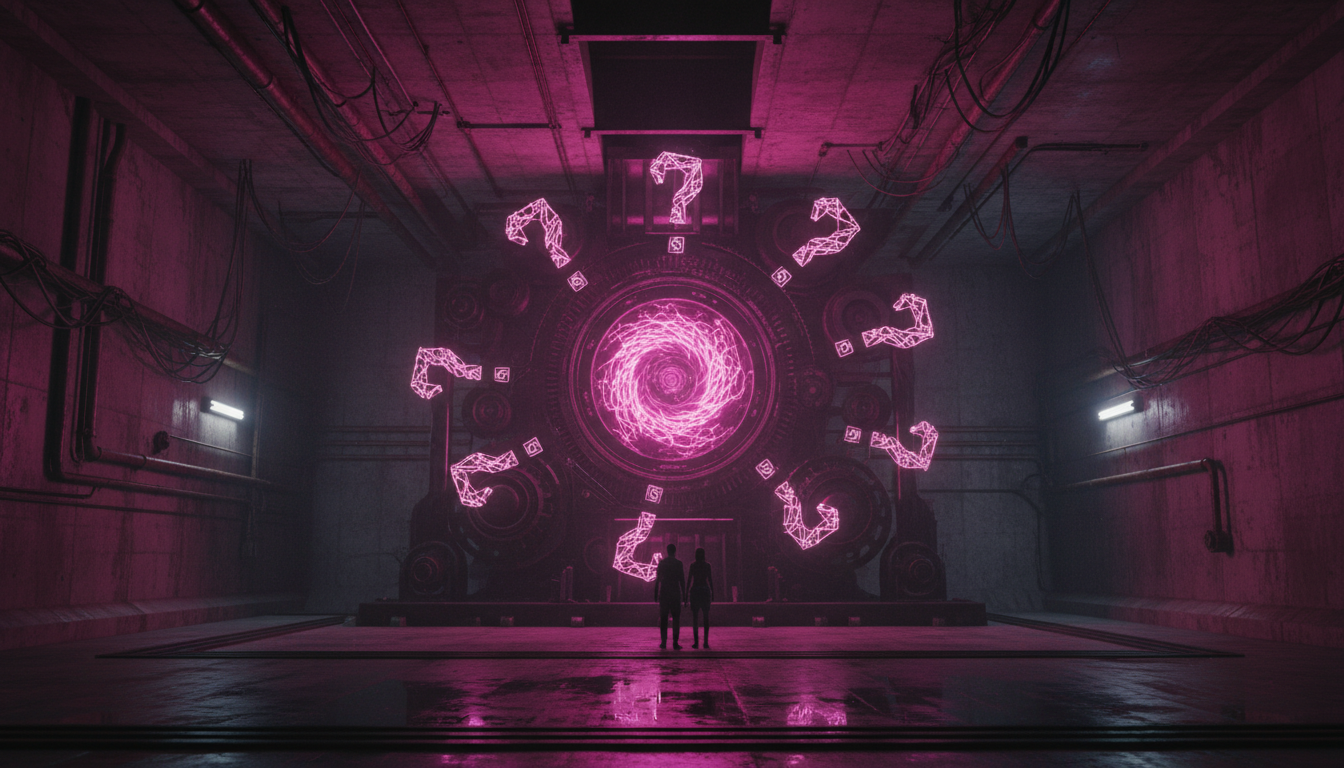
I tell her in the morning and she does not believe me, and then I show her, and then she does something I am not ready for.
I do it on the girl with the leg, with the girl's say so, because I am not making that mistake twice. I tell her what it is and that I do not know what is in it and that there are seven and that this will use one, and I ask her, and she says yes before I have finished the sentence.
Four seconds. The kettle sound and the green and the leg closes from the knee down while three people watch.
Idrisi does not gasp and she does not step back. She goes to the leg and she gets down and she puts her hands on it and works the joint through its whole range and looks at the skin under a lamp for about four minutes without saying one word. Then she gets up and washes her hands, which she does not need to do, and dries them on the cloth at her belt, and says, "How many."
"Six."
"Six," she says. "Four hundred and eleven people."
"Yes."
"And ninety out through the north gate who are still alive somewhere for all either of us knows."
"Yes," I say.
And then she makes her argument and she wins it, and she wins it in about eleven minutes and neither of us enjoys any of it.
She does not argue that I should not use them. She is far better than that. She asks me one question and then she keeps asking it in different shapes until I run out of answers.
Who chooses.
Because six is not a policy. Six is six, and there are four hundred and eleven people in this settlement and ninety more out in the country, and every single one of them has a claim, and the moment anybody in Hallow knows that canister exists there are five hundred and one people who know that the thing that would fix them is in a bag on a man's shoulder and that he decided it was somebody else. Not that there was not enough. That he decided.
"You have had it nine years," she says.
"Yes."
"And how many have you used."
I have to think about it and the thinking is the answer. "Three," I say. "In nine years. Until this week."
"And this week."
"Three."
"Because this week you started meeting people," Idrisi says.
I do not have anything for that.
"I have watched four men come through that gate in a year with something in a bag," she says. "You are the first one whose thing is real. And I have spent the night working out what I do with that, and the answer is nothing, because there is no rule I can write about six doses that four hundred people will accept as fair, and the first time I am seen to allocate one I stop being the person who does the assessment and start being the person who gives out the miracle, and then every dressing I change for the rest of my life is somebody wondering why they did not get the other thing."
"So it stays in the bag."
"That is your business and not mine," she says. "I am telling you what happens to my settlement if it comes out of it, and I am telling you that the twenty one day rule works because it is stupid and blind and everybody can check it, and the day it stops being blind it stops working, and then I have four hundred people arguing about who is worth a dose and no cloth and no hours and no method left."
Then she says the thing.
"And there is a second problem, and I think you already know it, and I think it is why you have not slept."
"Say it."
"Six is not enough to matter," Idrisi says, "and you have known that since before you got here, and you have been carrying it round like it is a decision. It is not a decision. It is six. Whatever you do with those six, this settlement is exactly as far from fixed tomorrow as it was yesterday, and so is every other one, and so is your friend's brother." She picks the pen up. "You do not have a cure in that bag. You have a very good bandage and a countable number of them. What you actually have is the only working example on this planet of the thing being undone, and you have been spending it four seconds at a time on legs."
I stand in a clinic in a settlement behind a wall and I understand what I have been doing for nine years.
"You want me to go and find where it came from," I say.
"I want you out of my clinic," Idrisi says. "But yes."
Chapter 17 — Who Dug the Tunnels
↑ Back to ContentsFocus: forty yards of somebody else's tunnel mortared into a defensive wall, with the numbers still in it.
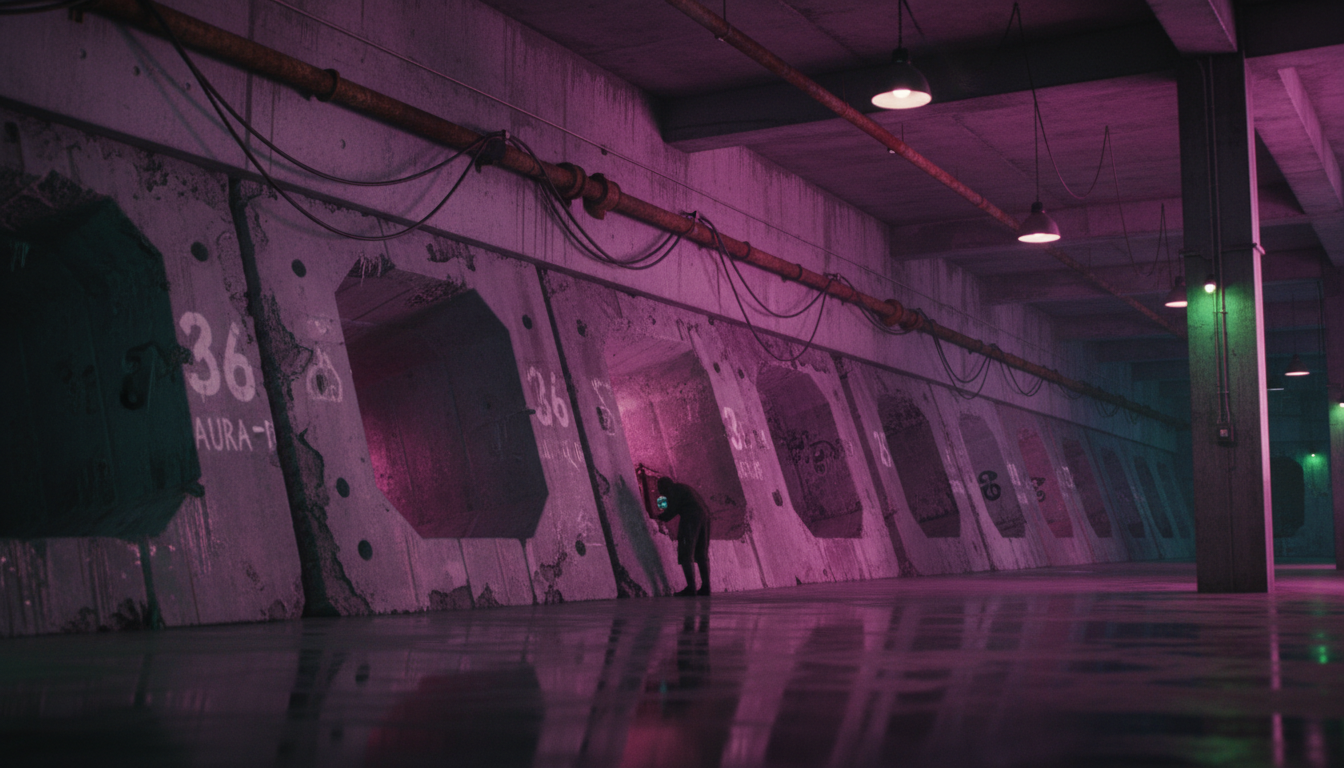
The tunnels are the one thing Hallow will not talk about, and it takes me two days to work out that this is not because it is a secret but because it is a habit.
I ask the tally boy and he says he does not know. I ask the smith and he says he has heard there are old workings under the rock at the north end and goes back to what he is doing. I ask a woman on the water queue and she says the same words the smith used, old workings, and I hear it a fourth time from a man on the wall walk and by then I understand that I am being handed a phrase rather than an answer, and that it has been polished by a lot of use.
The wall itself tells me.
I walk it in the morning and look at the stone instead of the top of it, and about a hundred yards along from the north gate the quarried block stops and something else starts. It runs for about forty yards. It is poured, smooth all the way round, curved at the corners so there are no corners, and it has been broken into lengths and stood up and mortared into the line of the wall with the curve facing out.
They have built a hundred yards of their wall out of somebody else's tunnel.
I get up on the walk and follow it along and there is a section about eight feet long where the poured stone has a groove cut in the face of it, and set into the groove, at even spacing, all facing out, there are four squares of hardened resin.
The numbers are still in them.
I stand on a wall in the sun above four hundred and eleven people queuing for water and I look at four numbers that somebody cut out of a shaft and mortared into a defensive wall because the stone was good and the stone was there.
Ovid finds me still up there an hour later.
"They know," I say.
"Of course they know."
"The wall is made of it. Half the north end. You cannot cut and haul forty yards of poured stone out of the ground and not know where it came from."
"No," Ovid says.
"So why does everybody say old workings."
Ovid leans on the parapet and looks out north at the flattened grass going away from the small gate, and takes a while.
"Because they went down there once," he says. "Four years back, before the not-healing, before any of it. A crew of nine went into the workings under the rock to see whether it could be opened up for storage, and they were down there two days, and eight came back."
"And the ninth."
"The ninth came back four months later," Ovid says, "and walked up to that gate at night, and they let her in, and by the morning they had put her back out through it."
I do not ask the next question. He answers it anyway.
"She was closed," he says. "Everything on her was closed. She had gone down with a bad hand and come back with a good one and this was four months before anybody in the world had heard of a wound that would not knit, so nobody knew what they were looking at, they only knew that she was wrong, and that she would not say a word about where she had been, and that she kept touching the back of her own neck."
I put my hand on the poured stone.
"They did not vote on that one," Ovid says. "There was no rule then. They just did it, at four in the morning, quietly, and then a year later the not-healing started and everybody in this settlement worked out on their own that the two things might be connected and every single one of them decided not to say it out loud, and they have been saying old workings ever since, and they will say it to you until you leave."
"And the twenty one day rule."
"Came in eleven months after," Ovid says. "Written by the woman who had been on the wall walk that morning and had let her in."
I go down off the wall and I go and stand at the north gate, the small one, the width of one person, with the bar on the inside and the path worn to bare earth on this side of it.
The path is worn because they use it. Not the ninety. Them.
Somebody in this settlement goes out through that gate regularly enough to wear the grass through, and comes back, and nobody guards it, and nobody has ever mentioned it to me in four days of asking questions in a place where everybody has been kind to me.
Chapter 18 — Leaving Hallow
↑ Back to ContentsFocus: a man deciding not to go and get his brother, and a woman at the gate telling him not to bring miracles here first.
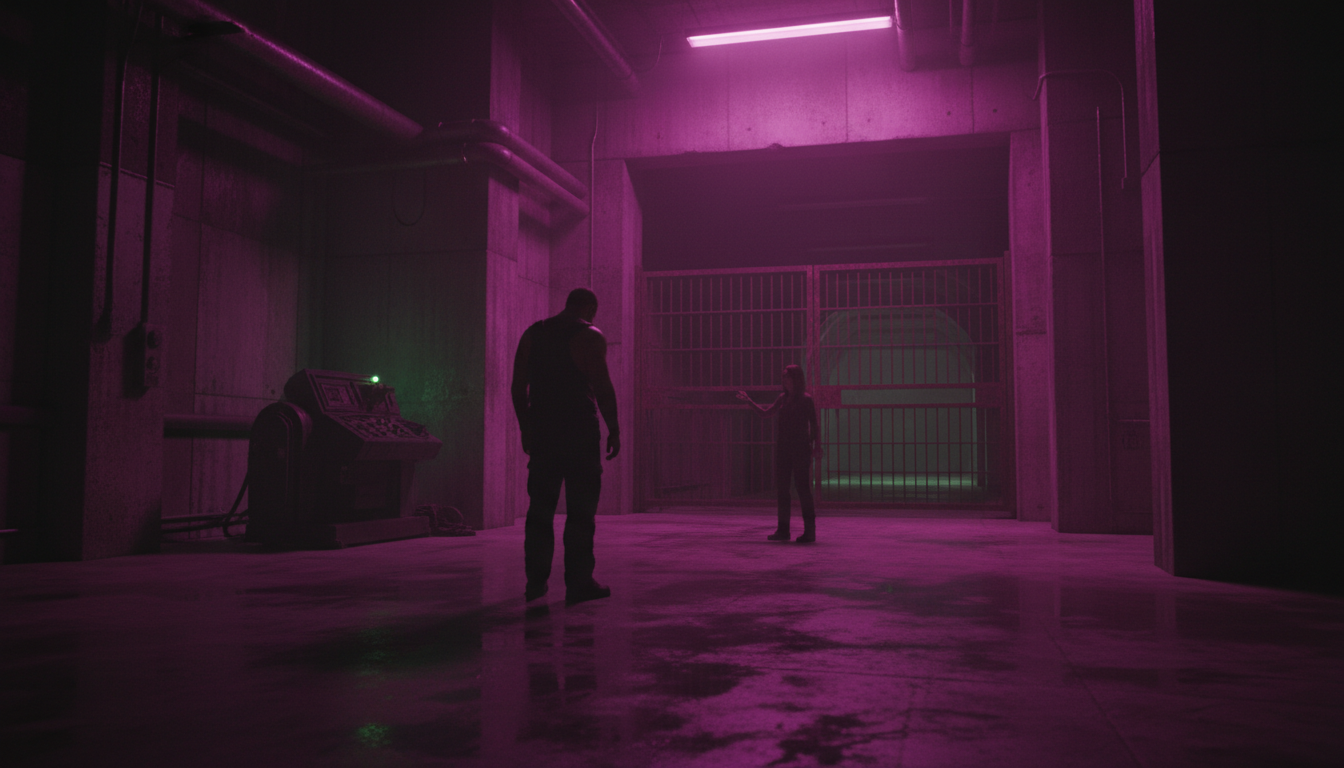
Bracken wants to stay and he says so on the fifth night, and he is right to want it, and I let him talk himself out of it instead of helping him, which is the worst thing I do in this whole account.
We are sitting against the south wall out of the wind with the settlement going quiet behind us and he has been building up to it for a day and a half.
"They have a loom," he says.
"They do."
"And a well inside the wall and eleven people over sixty and ninety one children, and I counted the children twice as well." He is not looking at me. "My brother is nine days north of here. If I go back for him I could have him here in three weeks and he would be behind a wall with a physician and a queue that moves, and that is more than he has, and it is more than I have got him in a year of walking about."
"Yes."
"And the twenty one day rule would not touch him because he is closed. The shoulder holds and everything else on him closes slow but it closes." He turns his head. "You did that."
"I do not know that I did that."
"You did that," Bracken says.
I let it sit. Somewhere behind us a door shuts and somebody laughs at something.
"So stay," I say.
And he does the thing I have watched him do to Ovid and to the tally boy and to Idrisi, which is to go quiet and think about it properly instead of defending it, and I sit there and watch him do it to himself.
"If I go and get him," he says slowly, "then I am nine days north and nine days back, and in eighteen days you are at the source or you are dead, and either way you are there without the one person who can talk to anybody."
"I have managed for nine years."
"You have not managed for nine years," Bracken says. "You have lived alone in a house on top of a tunnel and treated people on a road and gone home. That is not managing, that is avoiding, and it worked because the world was still working, and now it is not."
"That is a very good point and I would like you to stop making it."
"And if I stay here," he says, ignoring me completely, "then I am behind a wall in a place with four hundred and eleven people and one physician and six doses in a bag that is leaving in the morning, and I have my brother nine days away and I sit here and wait for somebody else to fix it, and I have already done a year of that."
He picks up a stone and turns it over and puts it down.
"And there is the other thing," he says.
"Say it."
"They will let him in," Bracken says. "That is what I keep getting to. They are good, they are organised, they are kind to strangers, they let three of us in through the gate in nine minutes without asking whether we were sick. And they put a woman back out at four in the morning because she came home closed." He looks at me. "I would be leaving him somewhere that would do that. And they would be right to, and I still would have left him there."
Neither of us says anything for a while.
"I am coming with you," he says.
"You do not have to."
"I know I do not have to," he says, and gets up, and goes in.
In the morning Idrisi comes to the gate to see us off, which I do not expect, and she gives me a roll of boiled cloth strips and a written page of her irrigation schedule in her own hand and does not make a speech about either.
"You will use the strips before you use the canister," she says.
"Yes."
"Say it back."
"I will use the strips before I use the canister," I say.
"Good." She puts her hands in her belt cloth. "If you find where it came from, and there is a great deal of it, do not bring it here first. Bring it to the three settlements south that are standing empty and see whether there is anybody left in them, because we are four hundred and eleven and they are nothing, and if you come here first with a cart full of miracles I will have to run a queue and I will lose this place inside a month."
"That is a hard thing to say out loud."
"I have had four days to word it," Idrisi says.
Ovid stays. He has a cart and a tally and a settlement that needs a man who walks the rail, and he shakes my hand at the gate and does not mention the burn, and I do not either.
We go out through the big gate and north up the road because the small gate is not ours, and about a mile out I stop and look back at the wall with the morning on it and the smoke coming off forty chimneys.
There is somebody standing on the wall walk at the north end.
They are not looking at us. They are looking north, at the flattened grass, the way you look at a road you are about to be on.
Chapter 19 — The Source
↑ Back to ContentsFocus: a hall with eleven frames in it, four of them occupied, nothing restrained, and nobody to blame.
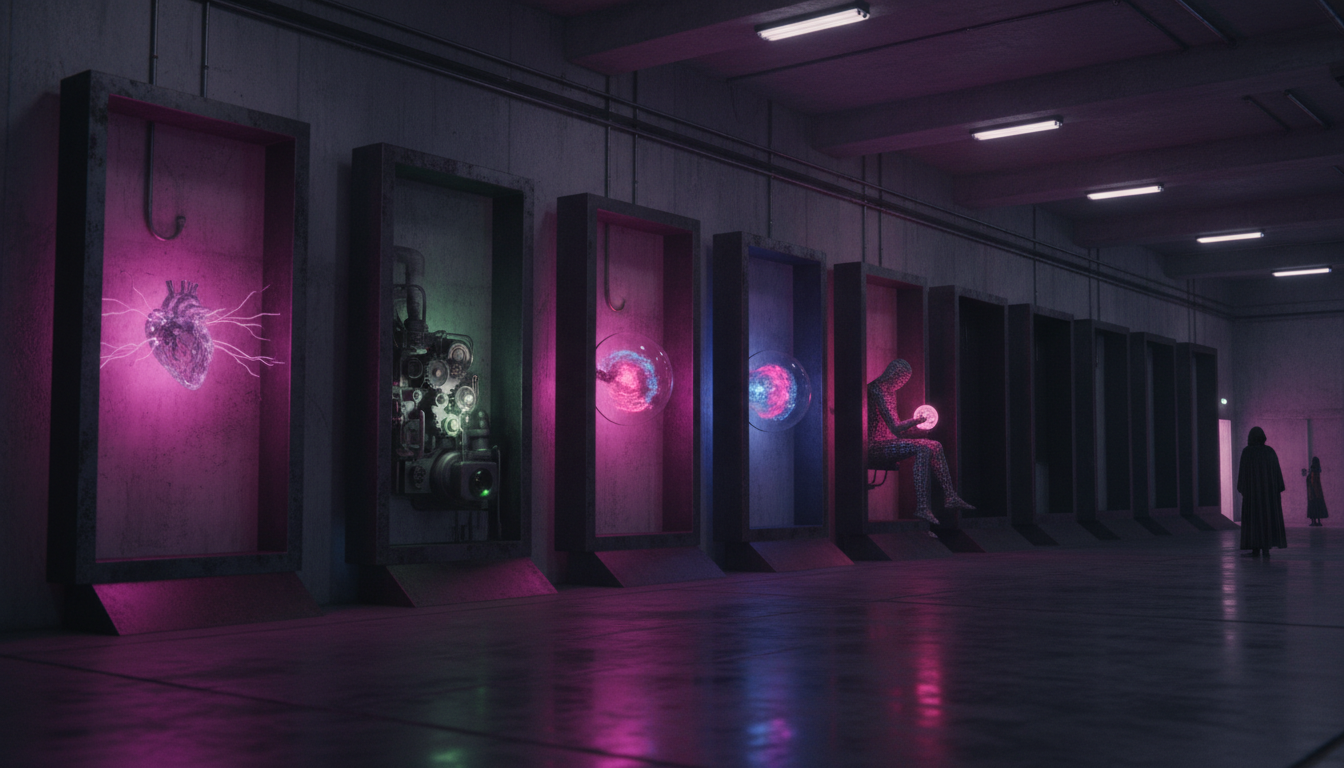
The source is nine days north and we find it because it is not hidden, and that is the first thing that is wrong with it.
It is a building. It sits in a shallow valley with a stream going past it and a stand of trees behind, and it is four storeys and it is poured, smooth all the way round with no corners on it anywhere, and the whole of the south face is glass and about half of the glass is still in. There is a road up to it. There is a yard in front of it with the marks of vehicles that stopped being driven a long time ago. There is a sign on a post at the head of the yard and the weather has had four decades at it and what is left of the lettering is a number and the number is four.
The doors are open. Not broken. Hooked back on the catch.
We go in with the lamps and the rifles up and we do not need either. There is nothing in there that wants anything from us.
The ground floor is a long room with benches down both sides and racks over them and the racks are empty. Everything portable in that building went out of it decades ago, taken carefully, by people who had time, and what is left is the fixed equipment and the poured walls and a set of steel frames bolted to the floor in a line down the middle, four of them, the size of beds, and I know the shape of those before I get to the second one.
There is a lift shaft at the back and it goes down.
We go down four floors on a ladder in the shaft because the lift is long dead, and at the bottom the poured corridor runs off in both directions with the lights coming on ahead of us nine feet at a time, and we follow the one with the air moving in it, and after about four hundred paces we come out into the room where it is happening.
It is a long hall and it is lit and it is clean and it is working.
There are eleven frames in a row down the middle of it and four of them are occupied. There is machinery on gantries over the frames, arms folded up against the ceiling, and there are lines running down into the floor and along it into a bank of poured housings at the far end that are humming. On the near frame there is a deer, and it has been opened along the spine, and something with nine joints in it is working inside the opening, slowly and precisely and without any hurry at all.
The deer is alive. It is not restrained. It walked in.
That is the thing I cannot get past and I am going to be exact about it. There are no straps on that frame. There is a ramp up to it worn smooth. The other three have a dog and something I do not want to name and a second deer, and none of them are held down, and the doors at the far end of the hall are standing open onto a corridor that goes up and out.
They come here. It works on them. They leave. That is the whole of it.
Bracken says, very quietly, "Is it hurting them."
"No," I say, and I go closer and I look for a long time and I say it again with more of myself behind it. "No. It is doing it well. Look at the margins. Look at how it is holding the tissue. That is better work than mine."
"Then what is it doing."
"It is repairing them," I say.
And it is. That is what the arms are doing. They are taking a body that is not working and making it work, and because the tissue no longer knits they are doing what you do when tissue will not knit, which is to give it something else to hold on to. Longer bone, because the animal is weak and the leverage helps. Rerouted muscle, because the original anchor has gone soft. A seam closed with something that is not a scar, because a scar requires healing and there is no healing.
It has been solving the same problem for a long time, with what it has, on whatever comes in, and it has got very good at it.
I walk down the hall to the housings at the end and there is a plate on the wall with a number on it and a column of smaller numbers under it and the smaller numbers are still going up, and the total at the bottom is nine thousand four hundred and eleven.
"It is counting them," Bracken says.
"It is logging them," I say. "That is a maintenance log. That is what a maintenance log looks like."
And I stand in front of a wall in a hall under a building with a four on the sign and I understand the whole of it at once, and there is nothing to fight and nobody to blame and nothing in this room has ever wanted anything.
Somebody built this to fix animals. Somebody switched it on. And then somebody, decades ago, walked out of this building carrying everything portable in it, and went away, and did not come back, and did not switch it off.
Chapter 20 — The Armoury Answer
↑ Back to ContentsFocus: a man who carried a crate nine days on his back, and the direct answer working completely and solving nothing.
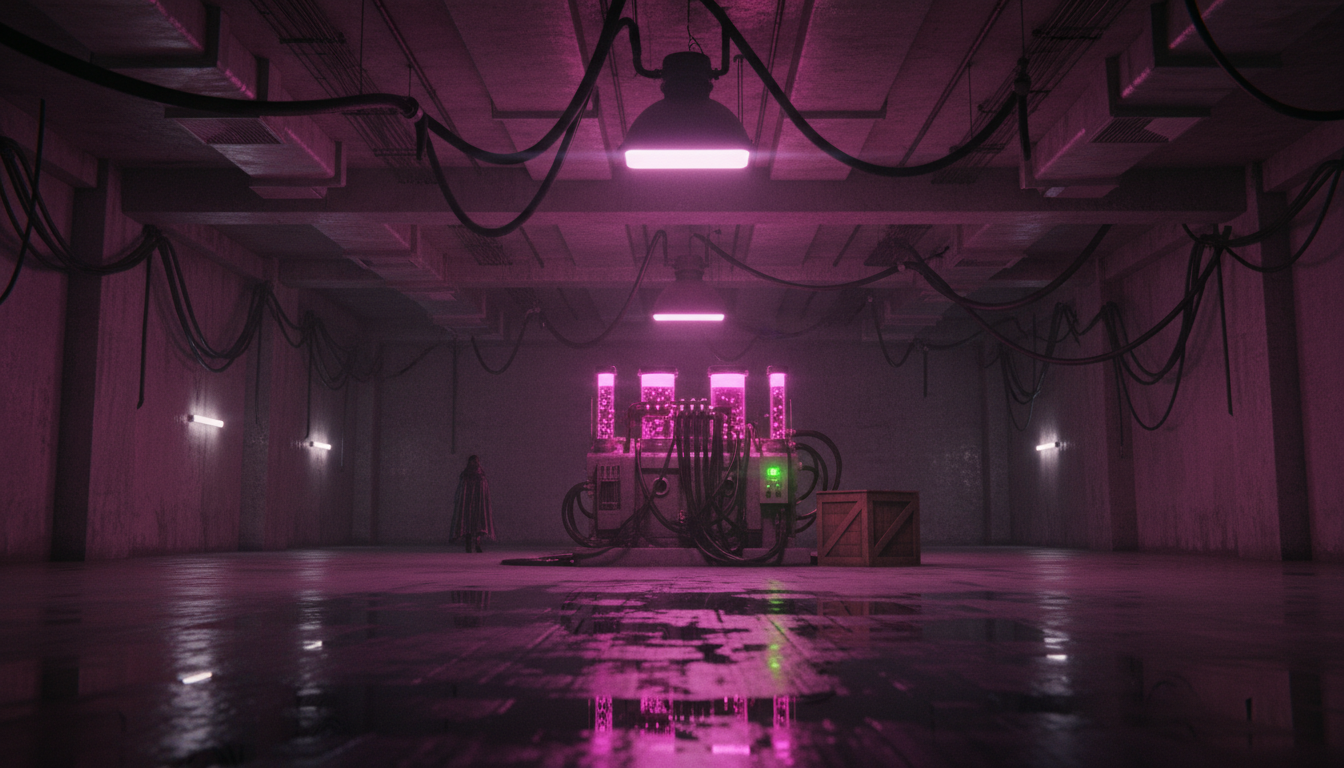
Ovid comes up the valley on the fourth morning with the cart on his own back because there is no road for wheels past the trees, and he is grinning about it, and that is the last thing about him I am going to write down before the rest of it.
Idrisi sent him. She sent him nine days after we left, with four rolls of boiled cloth and a crate of the strips and a sealed jar of her irrigation solution and a page of her own hand, and Ovid carried the whole of it nine days north on his back over ground he had never walked because it was not the rail and he did not know it. He is fifty. He has a cart frame strapped across his shoulders like a yoke and his hands are ruined and he has been walking since before light every day, and when he gets to the yard in front of the building he puts it down and straightens up and says, "You are a very hard man to bring things to."
We spend two days working out how to stop it, and Bracken and I are wrong about it in different ways and Ovid is the one who is right.
I want to break the arms. That is my answer for a day and a half, get up on the gantries and cut the arms off the frames so that nothing walks in and gets opened again, and Bracken points out that there are eleven frames and one of me and the arms are steel and I have a fire axe.
Bracken wants to shut the doors. Wall the corridor, block the ramp, put the building beyond reach, and let it sit down there running with nothing coming in.
"It will not stop," Ovid says. "You will be dead forty years and there will be a building under a valley with the lights on."
He is the one who finds the housings. He walks the length of the hall four times while we argue and he stands at the far end looking at the bank of poured boxes with the lines running into them out of the floor, and he says the thing that ends the argument.
"Everything in here comes out of those," he says. "The lights, the arms, the doors. I have hauled freight for eleven years and this is a load and a load has a bottom."
So we do the direct thing, because the direct thing is available and I have a belt of grenades round my waist that I have carried since the basement and have not used once.
I want it on the record that it works. Everything about it works. We set four of them into the housings on a length of wire off the cart, and we run the corridor back to the ladder, and Bracken and Ovid go up first and I pull the wire from twenty feet up the shaft, and the whole of the bottom of that building lifts and drops.
The lights go out and stay out. Every arm on every gantry unlocks and hangs. The doors at the far end let go and swing. And down the length of the hall, on four frames, four animals that were in the middle of being repaired stop being anything at all.
It works completely. It solves nothing. And it takes the floor above it.
I am twenty feet up a steel ladder in a poured shaft and I feel the shaft move against my back. Bracken is at the top with his hand down for mine and Ovid is behind him on the landing with the crate, because he went back for the crate, because it was Idrisi's and he had carried it nine days and he was not going to leave it on a landing.
The ground floor of that building comes down in about four seconds.
Bracken gets me out because Bracken is quick and because he had his hand out already. We go over the edge of the shaft and along the wall and out through the south face where the glass is gone, and behind us the whole of the front of the building folds into itself and the yard fills with forty years of dust.
Ovid does not come out.
We dig for eleven hours. That is not a figure I am rounding. We dig with the axe and with a length of the gantry and with our hands from the middle of the morning until it is too dark to see, and Bracken does not stop and I do not stop and neither of us says one word for most of it.
We find him at the eleventh hour under a section of the floor slab.
He is alive. He is conscious. He is looking at me while I clear his face and he is entirely himself, and I have seen four men in this condition in my life and I know exactly what I am looking at before I have got his chest free, and he knows too, because he is fifty and he has hauled freight for eleven years and he knows what a slab is.
I get the canister out of the bag.
"Mender," he says.
"Do not," I say.
"How many."
"Six."
"Then no," Ovid says.
Chapter 21 — Three Ampoules
↑ Back to ContentsFocus: three doses spent on somebody who cannot be reached by any of them, and a number finally written on the side of the canister.
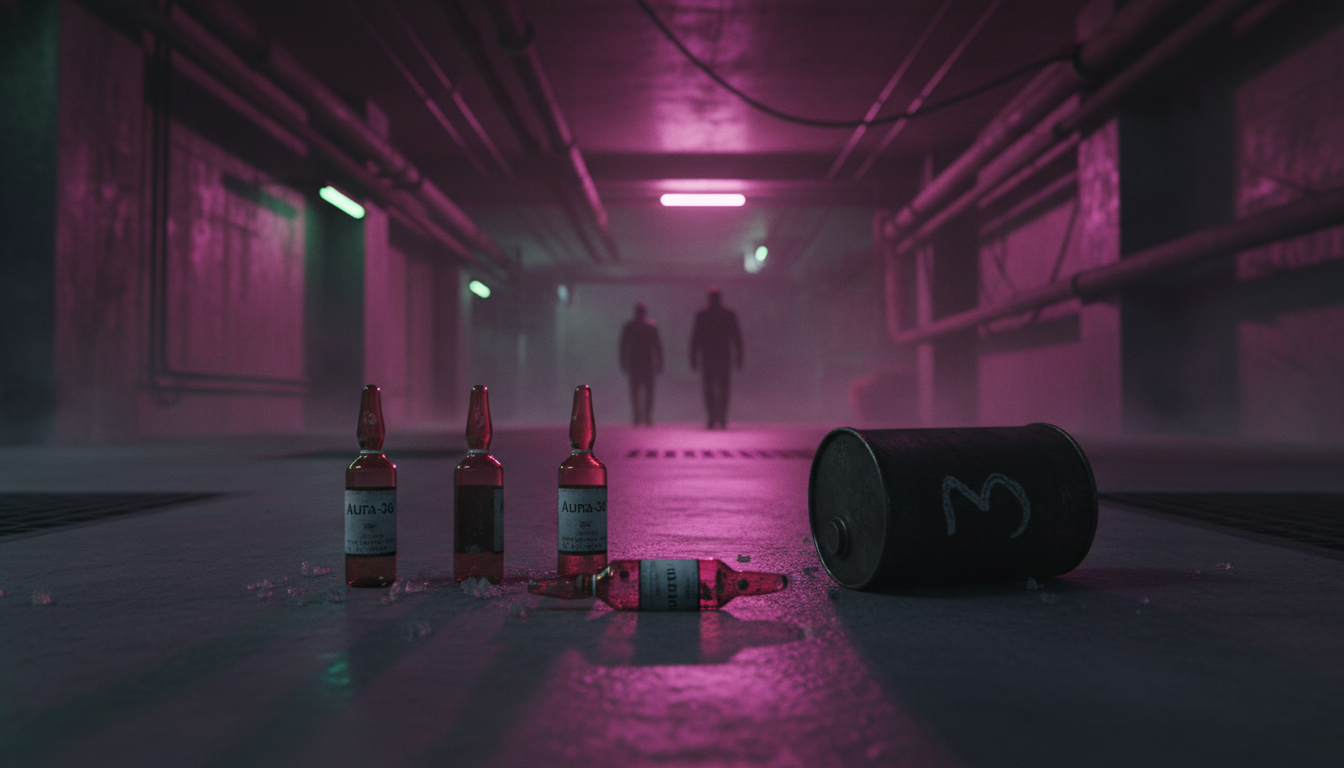
I use three of them on him anyway and none of them do anything, and he is right about that too, and he tells me so while I am doing it.
The first one closes the tearing across his shoulder and the arm and it closes it perfectly, four seconds, the green and the kettle sound and skin where there was not any. The second one I put low over the hip where the slab went across him and it closes everything that was open there and it is very good work and it changes nothing whatsoever, because what is wrong with Ovid is not a wound. It is a man who has had a floor on him for eleven hours and whose insides have been doing something for the whole of that time that no mist is going to reach.
I know that. I knew it before I got his chest free. I do the third one anyway.
"Stop," he says, after the third.
"No."
"Mender." He is very calm. He has been calm since the moment I cleared his face and I would like to say it was courage and I think it was mostly that he was fifty and tired and had walked nine days. "You are using them on me because you can reach me."
I sit back on my heels in the dust with a canister in my hand and I do not answer that because there is not an answer to it.
"Say the number," he says.
"Three."
"Out loud, properly."
"There are three left," I say.
He nods, and then he asks me to move the crate where he can see it, so I do, and it is not even damaged, it is a wooden crate with rope handles sitting in the dust with four rolls of boiled cloth and a sealed jar and a page in a woman's handwriting inside it, and it came nine days on a man's back and it is completely fine.
"She wrote out the schedule," Ovid says. "Times and everything. She said you would not follow it."
"I will follow it."
"You will not," he says, "but Bracken will," and Bracken makes a sound behind me that I am not going to write down.
He talks for a while after that, not much, and none of it is a speech and none of it is about me. He asks whether the thing is definitely stopped and I tell him it is. He asks whether the four on the frames suffered and I tell him no and it is true. He wants Bracken to take the cart frame because it is a good frame and there is no sense in it lying here. He wants somebody to tell the tally boy at Hallow that he is not coming back for the tally, because the boy will hold the number open and that will annoy whoever keeps the ledger.
Then he says the thing about the burn.
"I was going to say thank you for it," he says. "At the gate. I had it worked out and then you were going and I did not say it, and then I decided I would say it when you came back through, so that it did not sound like a goodbye."
"Ovid."
"I am saying it badly now instead," he says, "and it does sound like one, and that is your fault for taking so long."
He goes at about the second hour of the morning and I am holding his hand when he does and Bracken is holding the other one, and there is nothing in the whole of my nine years and my rack of weapons and my canister that does anything about it at all.
We bury him in the yard in front of the building because the ground is soft there with the dust and because he would have said it did not matter, and we put the slab section over him because we cannot lift it off and we are not going to leave him under it as an accident.
Bracken takes the cart frame.
In the morning I sit on the step of a building with the front of it gone and I take the canister out and I look at it for a long time, and then I write the number on the side of it with a piece of the charred wire, because I have been carrying it nine years without ever once writing anything on it and I am done doing that.
Three.
Then I get the crate open and I take out the page in Idrisi's handwriting and I read it properly for the first time, the whole thing, both sides, and it is nine days of irrigation on a schedule with the times set out in a column, and there is a line at the bottom that is not part of the schedule.
If the thing you find turns out not to be the cause, come back anyway. There is a second question and I have been sitting on it since the spring and I did not want to put it in front of you while you still had a plan.
Chapter 22 — The Long Repair
↑ Back to ContentsFocus: the second question, which was the water all along, and eleven days of the least remarkable work he has ever done.
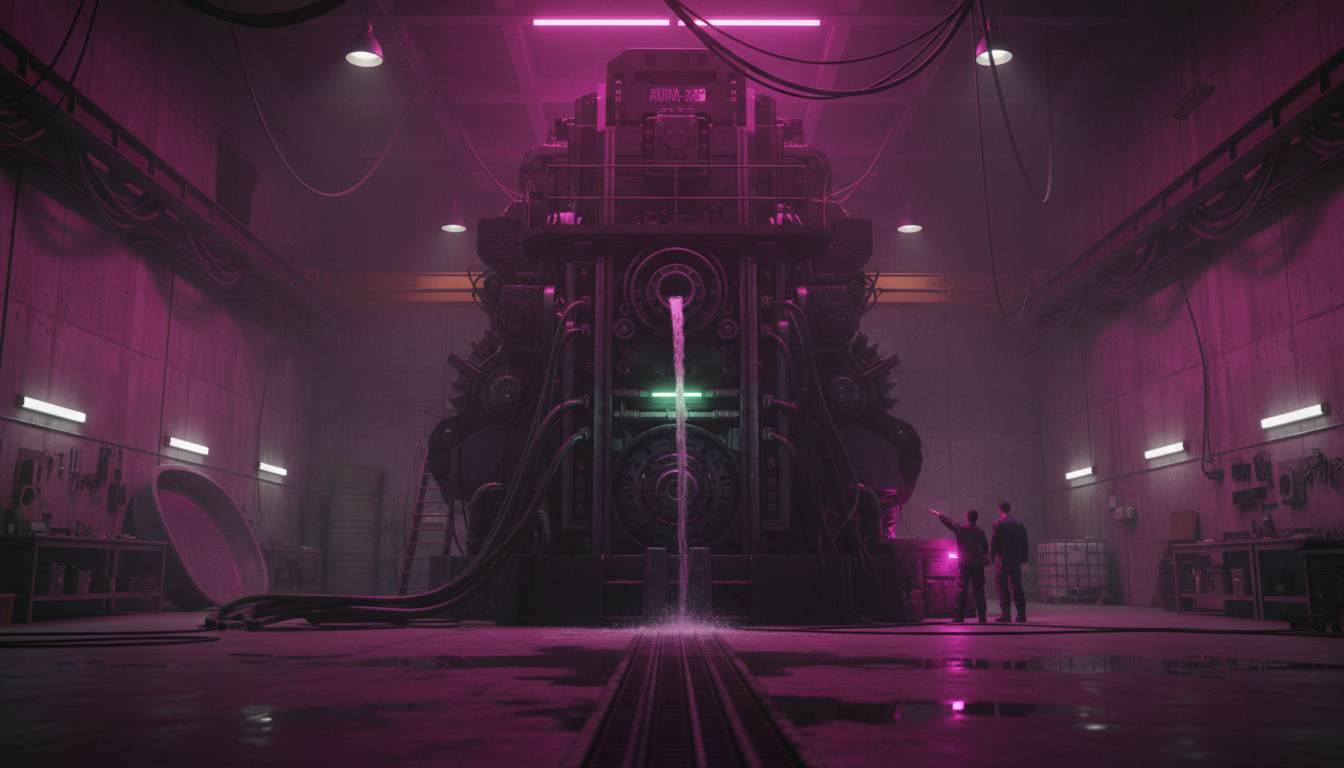
The second question is the water, and Idrisi worked it out eleven months before I did and did not say it out loud because she had no way to act on it and hope costs her more than infection does.
We get back to Hallow in seven days because Bracken sets the pace now and Bracken walks like a man carrying a cart frame he did not ask for. Idrisi comes out to the gate. She looks at the two of us and the one crate and she does not ask, and Bracken tells her in about nine words and she puts her hand flat on the gate post for a second and then goes back inside and works for the rest of the day.
She gives me the second question that evening in the clinic with the ledger shut.
"Ash Hollow," she says. "The well."
"I went down it."
"I know. Ovid told me before he went north, and he told me what was on the walls of it, and it is the same thing that is in ours." She sits down, which I have still never seen her do while anybody is in the room. "Every settlement on this road takes water out of the ground. Three of them are empty and the empty ones are the three closest to that building. We are the furthest and we are the only one still standing, and I have been the only physician in a hundred miles for a year and I have watched this go from nothing to everything and I have never once had a patient who did not drink."
"You think it is in the water."
"I think it has been in the water since before any of us noticed," Idrisi says, "and I think the building did not do it to us and I think the building was built where it was because the ground there was already like that, and I have had eleven months of nothing to do with any of it because I cannot boil the water table."
I get the jar out of my bag. It has been in there since the shaft and the grey film in the bottom of it has not moved in five weeks.
"It stops when you take it out of the ground," I say.
Idrisi looks at the jar for a long moment.
"Say that again," she says.
So we do the long repair, and it takes eleven days, and there is not one interesting thing in the whole of it.
We build a filter. That is the answer, that is the whole of the answer, and it is eleven days of the least remarkable work I have ever done. Sand, gravel, charcoal off the smith's stack, boiled cloth in nine layers, a settling tank made out of the water butt from the north end and a second one made out of a cut-down grain bin, and the whole of it built up on a frame so the water falls through under its own weight because there is no other power in this settlement.
Bracken builds most of it because Bracken can actually build. He does the frame and the tank stands and the run-off in four days and he does it properly, with the joints cut, because he says a thing that has to work forever is not the place to be clever.
Idrisi does the schedule, because the filter is nothing without the schedule. Backwash times, cloth changes, charcoal replacement, who checks what and when, all of it in chalk on the clinic wall in a column with the times set out, and she puts four people on it in rotation and teaches all four rather than one.
I do the boring part, which is testing it, and I do that by filling jars and leaving them on a bench in a row and looking at them every four hours for eleven days while everybody else gets on with their lives.
On the ninth day the film stops appearing in the jars.
I do not tell anybody. I want three more days of it first because I have been wrong about things this year and a man who announces something at Hallow and is wrong takes the thing that keeps them alive and breaks it. So I sit on it for three days and check it every four hours and it holds, and on the twelfth morning I go and find Idrisi in the clinic with her sleeves up and I say it, and she puts down what she is holding and stands there.
"Do not tell anybody yet," she says.
"I was not going to."
"Good." She picks the ledger up and puts it down again, which is the only unsteady thing I have ever seen her do. "We need somebody with something open."
And we look at each other, and neither of us says the obvious, which is that there is not one person in this settlement with anything open, because of a rule that she wrote.
Chapter 23 — Faster Than You Can Say Medic
↑ Back to ContentsFocus: one arm, one filter, one settlement, nine days, and nobody cheering.
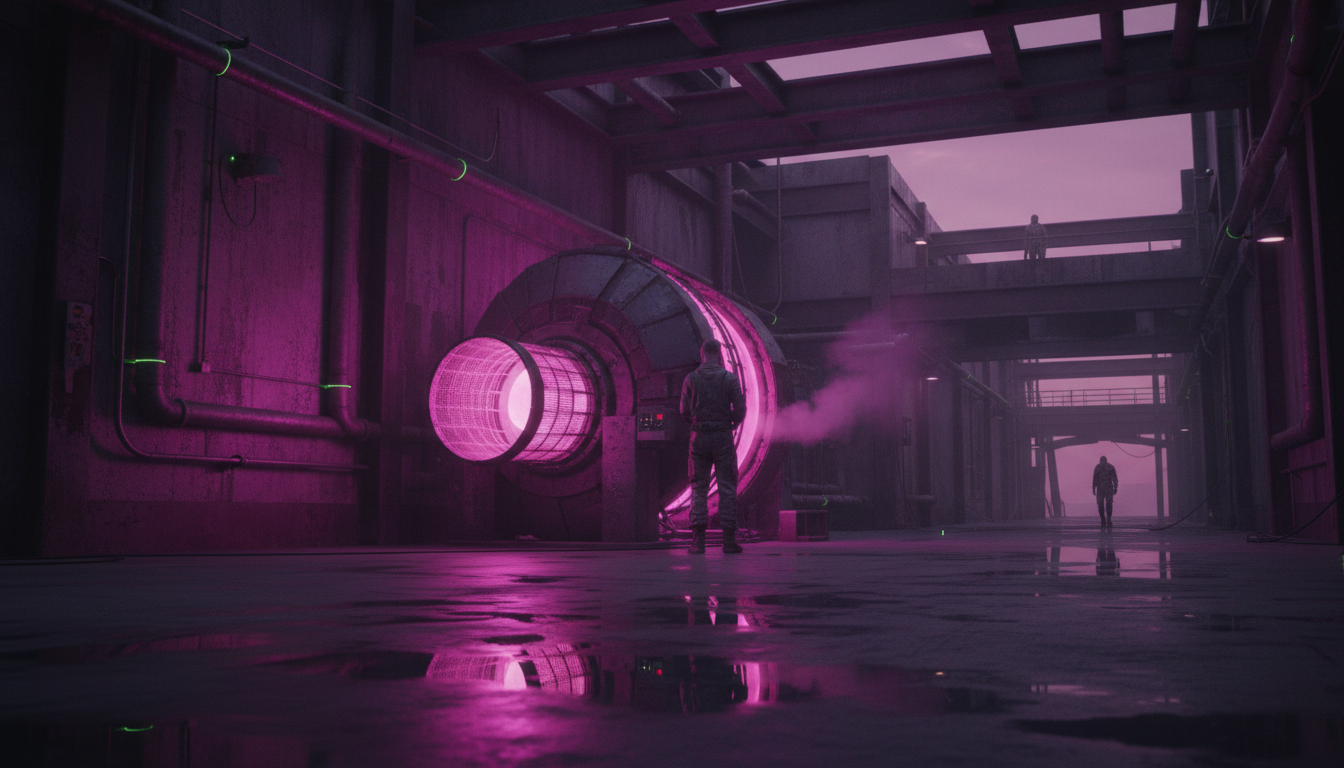
Bracken opens his own arm on the clinic bench on the thirteenth morning, and he does it himself, with my blade, because he says that if it is going to be anybody it is going to be somebody who understood the question.
I try to stop him and I do not try very hard, and I have thought about that since.
"You could take it off the strip on my hand," I say. "You have a scrape on your knuckle."
"That is four weeks old and it has already decided what it is doing," Bracken says. He rolls the sleeve and puts the arm on the boiled cloth. "You need something new and you need to have seen it start. If somebody else does it you will spend the rest of your life wondering whether it was closing already."
Idrisi does not argue with him at all, which tells me everything about how much she wants to know.
He does it across the meat of the forearm, in the same place, and I know it is the same place before he has finished because I stood in a basement nine weeks ago and looked at exactly that cut on exactly that arm, and neither of us says anything about it.
Then Idrisi takes over, because it is her clinic and her method.
She irrigates it with filtered water. That is the only thing in the whole procedure that is different from what she has done four hundred times this year, and it is the entire experiment. Boiled, cooled, and off the new tank rather than the well. Then the strips, then the schedule, then the chalk on the wall above the bench with the times in a column.
And then we wait, and waiting is the thing nobody tells you about, and it takes nine days.
Day one is nothing. Day two is nothing and I sleep about four hours. On day three there is the beginning of the roll at the edges that you get when tissue is deciding to do something and Idrisi will not look at it with me because she says two people looking at a thing on day three see what they came to see, and she is right, so we agree to look at it separately and write down what we think without saying it, and we both write the same word.
On day four it is unmistakable and neither of us says a thing.
Day five Bracken gets bored and goes and works on the filter. Day six he wants the strips off and does not get them. Day seven Idrisi lets four people from the water rotation come and look at it because she has decided the thing is real and that the settlement gets to see it before it is announced, and one of the women on the rotation, who has been carrying charcoal up a ladder in the rain for six days without asking why, stands in the clinic doorway and looks at a closing cut on a stranger's arm and puts both hands over her face.
On the ninth day Idrisi takes the strips off.
There is a line. It is a proper line, thin and pink and slightly raised, the sort of thing that will be white and flat in two years and invisible in ten, and it is the most ordinary object I have ever looked at.
Nobody cheers. That is the part I want written down. Four hundred and eleven people do not cheer. Idrisi looks at it for about nine seconds and then writes in the ledger, and Bracken pulls his sleeve down, and the women on the rotation go back to the tank because the backwash is due at the fourth hour and it does not do itself.
Idrisi says, "That is one arm."
"Yes."
"On one man, on a filter serving one settlement, in a valley with three empty settlements south of it and a water table that goes wherever water tables go."
"Yes," I say.
"So we are nine days into a thing that takes years and we have not told anybody outside this wall and the whole of it is written in chalk," she says, and picks the pen up. "Where are you going first."
I think about it.
"Ash Hollow," I say. "The doors are hooked open."
That evening I sit on the wall walk at the north end with my back against the poured stone that came out of somebody else's tunnel, and I get the canister out and look at it, and the number I scratched on the side of it is still three and it is going to stay three, because whatever happens now does not happen four seconds at a time.
Bracken comes up and sits down and neither of us says anything for a while, and the settlement goes on underneath us doing the water queue and the evening and the noise of children.
"Say the thing," he says eventually.
"What thing."
"The thing you say."
So I hold my hand out flat over the wall, palm up, in the dark, with a nine day old line healing on his arm beside me and a filter running in the north yard and three doses left in a canister I cannot account for.
"I can have that fixed up," I say, "faster than you can say medic."$