Chapter Index
Seven chapters written, one fragment, roughly 5,300 words. The file ends there.
Chapter 1 — Three on the Cart
↑ Back to ContentsFocus: a good life, put on the page honestly before anything is taken from it.
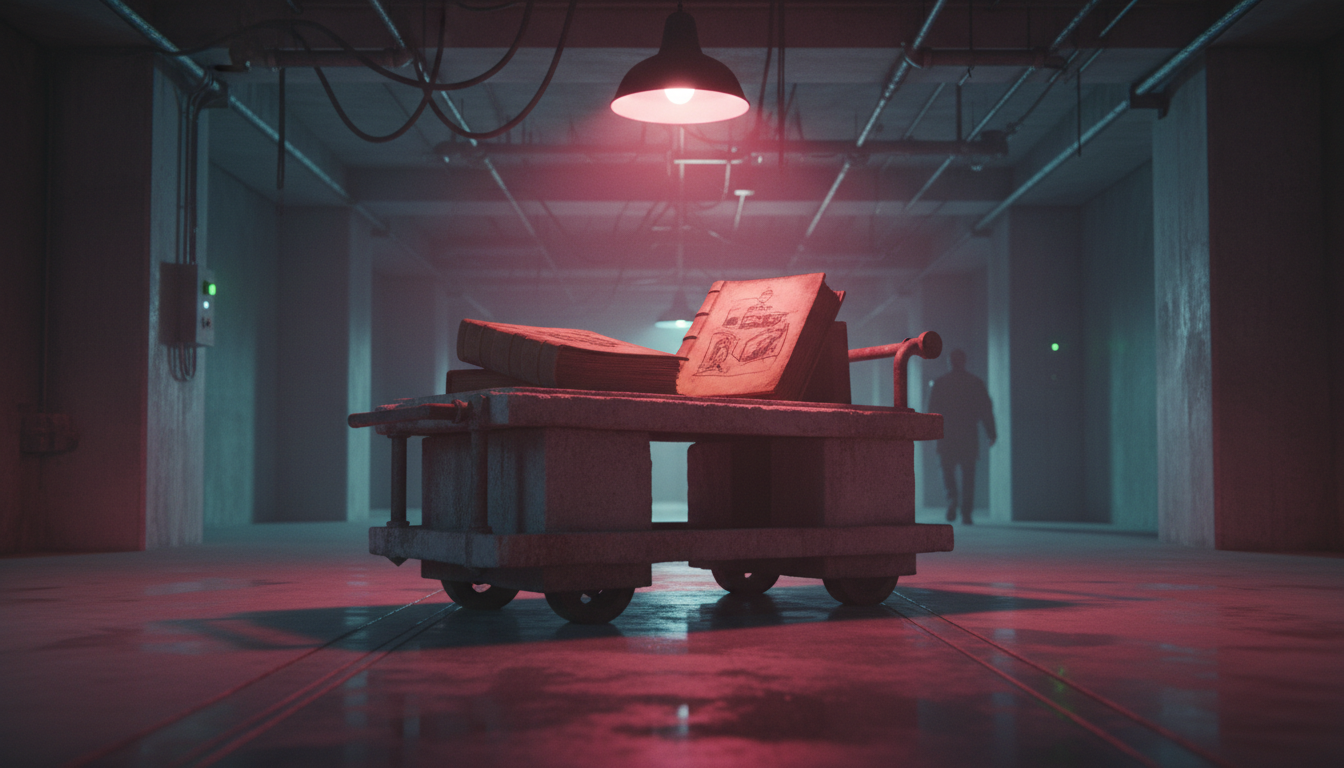
I am Mender, I am a medic, and it has been long enough now that I no longer write the date at the top of these pages, because none of us has needed a calendar in longer than I can remember.
Lark has stopped fixing her own machine and started teaching Bracken to fix it instead, which she says is because her hands are needed for driving and his are needed for everything else, and which I suspect is actually because she likes watching him get frustrated at a bolt that will not turn. We have a cart now with a fourth wheel that has never once thrown itself, built properly this time by somebody other than the two of us guessing, and a route that has become, without either intention, a kind of unofficial territory, towns three days apart that have started to expect us on a rotation nobody wrote down.
It is a good life. I want that on the page before anything else happens in this account, because I have learned that a story only earns the right to take something away from you if it first shows you honestly what was there.
We are two days into a quiet stretch, mending small things in small towns, when a rider comes up the south road at a pace that makes even Lark sit forward, and the news he carries is the kind that used to be my whole life and has become, these last few years, a rarer visitor. A fever in the high village of Corrow, spreading faster than anybody up there has medicine for, and the only road that reaches Corrow in time is the pass above it, the one the locals call the Widow's Cut, which nobody has driven at speed since before Lark was born, for reasons the rider does not need to explain to any of the three of us.
"How long," I ask.
"Three days by the low road. The village does not have three days."
"How long by the Cut."
The rider looks at Lark's machine, sitting patched and ready in the yard behind us, and does not answer that question directly, because everybody in three towns has heard by now what that machine and the woman on it can do to a road nobody else will drive.
"Six hours," he says. "If it can be done at all."
Lark is already moving before he finishes the sentence, checking the frame, checking the wheels, the same focus I remember from the first morning she nearly took our heads off, except sharper now, older, a woman who has done this a hundred times and knows exactly what six hours on a bad road costs a machine and a body.
"I am coming with the medicine," I say.
"You cannot keep up."
"I know," I say. "You are taking me anyway."
She looks at me for a long moment, and something crosses her face that I do not have a name for yet, and would give a great deal, now, to have asked her about while I still had the chance.
"Fine," she says. "Hold on tight and do not talk to me on the turns."
Bracken packs the second bag without being told, the one with everything I would need if the fever outran even a fast road, and does not ask to come, because someone has to keep the cart and the base of this whole life we have built moving forward while the two of us go do the reckless thing. He hands me the bag and looks at Lark for a long moment.
"Bring him back in one piece," he says.
"I always do," she says.
I did not write down, that morning, how much I wanted that sentence to still be true by nightfall. I am writing it down now, because it is the only kind of honesty I have left to offer this account.
Chapter 2 — The Widow's Cut
↑ Back to ContentsFocus: a road that earns its name, and a silence that turns out to be the good kind.
I am Mender, I am a medic, and the road to Corrow earns its name in the first ten minutes.
The Widow's Cut runs along a shelf of rock that a mountain shrugged loose sometime before anybody kept records, a single lane in places, no lane at all in others, with a drop on one side that Lark tells me not to look at and that I, naturally, look at exactly once, which is enough.
She drives it the way she drives everything, which is to say completely, no half measures, no held-back margin she is saving for later, and I understand for the first time in years of knowing her that this has never been recklessness the way I used to name it in my head. It is precision run at a speed that looks like recklessness from the outside and is not, every choice made a half second before it needs to be made, every line through a turn the only line that was ever going to work.
"You have driven this before," I say, over the wind, because I have to shout to be heard and because I need something to say that is not about the drop.
"Once," she says. "A supply run. Before you."
"How did it go."
She does not answer that one, and I decide, the way I have learned to decide about most of her silences, that the answer lives somewhere near her mother and I am not going to get it out of her on a road like this one.
We stop once, at the halfway point, where the shelf widens enough to let the machine cool and let me check the seal on the medicine case, and Lark stands at the edge looking down at a drop that would kill either of us in about two seconds, saying nothing, and I come to stand beside her the way I have stood beside her at a dozen edges over the years.
"It is getting harder to find roads that scare me," she says, without looking at me. "I used to think that was the goal. Now I am not sure what the goal is."
"You do not have to have a goal."
"Everybody has a goal, Mender. Yours is that everybody stays alive. Bracken's is that the two of us do not kill ourselves doing it. Mine used to be beating a time my mother set on a road that killed her, and I did that, years ago, and I never told either of you, because I did not know what came after winning."
"What did come after."
"You two," she says, simply, and gets back on the machine before I can find a response to that, and we finish the second half of the Cut in a silence that feels different from the silence at the start of it, heavier, the good kind of heavy, the kind I did not know until years into this account that silence could be.
We come off the Cut into Corrow with four hours to spare and a fever already thinner in the air than the rider's warning led me to fear, and I spend the rest of that day and most of the night doing the only job I have ever fully trusted myself to do, and Lark sits with the sick children who are too frightened of the canister to let me near them alone, holding their hands and telling them about a road she drove once that scared her more than any green mist ever could, until they stop watching the canister and start watching her instead.
By morning the worst of it has broken, the way fevers break when you catch them in time, and Corrow will lose nobody to this outbreak, and I stand in the doorway of the sick house watching Lark asleep sitting up against the wall exactly the way Bracken sleeps now, a habit she picked up from a man she picked it up from without either of them noticing, and I think, for the first time in longer than I can measure, that I have built something here worth being afraid of losing.
I did not know, writing that thought down that morning, how soon I would need it.
Chapter 3 — What the Bridge Was Missing
↑ Back to ContentsFocus: a bridge with a give in it, and a road home that did not have to hurry.
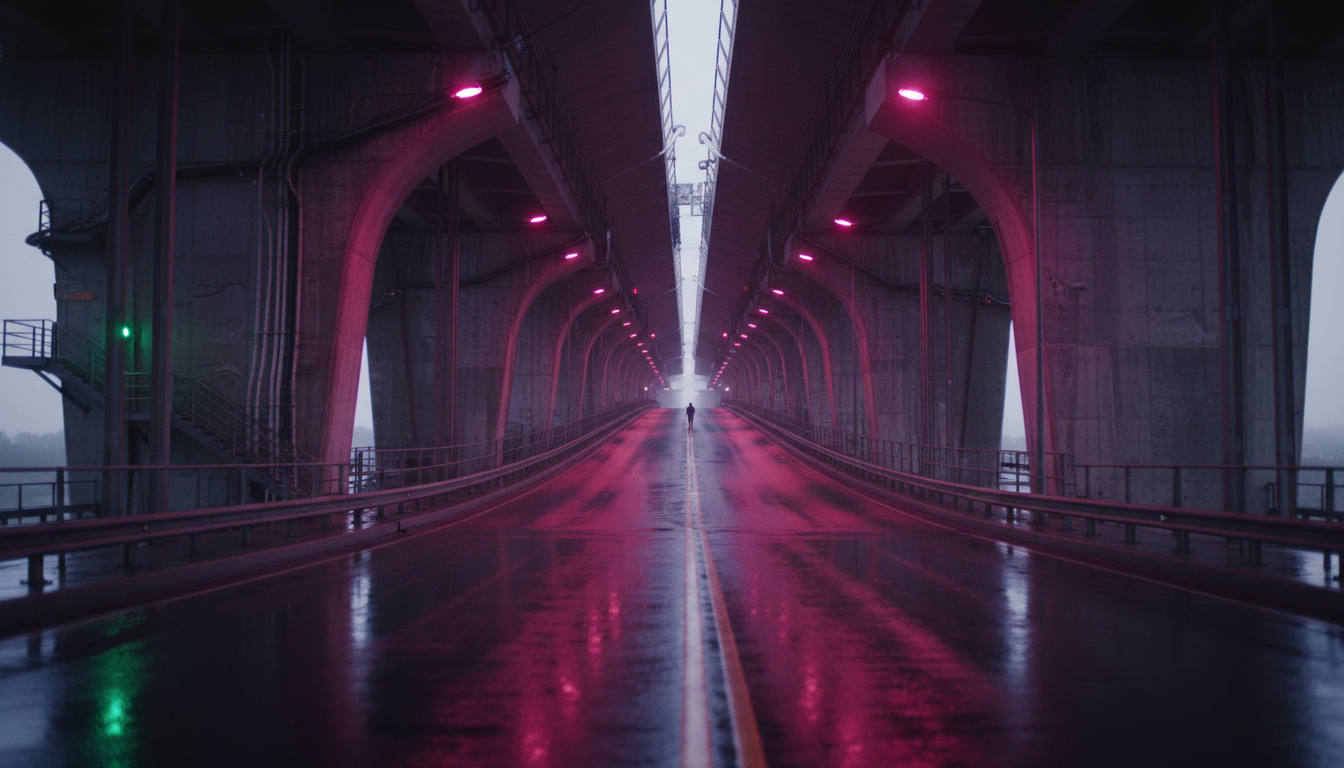
I am Mender, I am a medic, and the low road home takes us across a bridge that has been wrong for longer than anybody in Corrow thought to mention.
We leave two days later, rested, the fever behind us, taking the slow road back because neither of us has any reason left to hurry, and that is the detail I keep returning to now, the fact that there was no reason left to hurry, that whatever comes next in this account did not have to happen at the speed it happened at.
The bridge crosses a gorge cut by a river that Corrow's elders call the Long Argument, for reasons nobody explains and I do not ask about, and it has stood, according to everyone we meet on the way down, since before the village had a name, a single span of the same dark stone the tunnels under my old house and the coast machine were built from, seams running along its underside at even distances, the kind of seams that mean built rather than grown.
"Another one," Lark says, running a hand along the rail the way Bracken runs his hand along everything he does not understand yet.
"Another one," I agree.
A local mason meets us at the near end and tells us, in the tone people use for things they have decided not to worry about because worrying has not helped so far, that the bridge has developed a give in the last month, a sway that was not there before, worse at speed than at a walk, worse in wind than in still air, and that nobody has found the source of it, because nobody who has looked at the underside for longer than a minute has liked what they found there and has come back to look again.
"How bad," Lark asks.
"Bad enough that the council wants it walked, not driven, until somebody can get underneath it properly," the mason says. "You would not be the first machine we have asked to dismount and walk it across."
Lark looks at the bridge for a long moment, the same look she gave the drop on the Widow's Cut, assessing rather than afraid, and I recognize that look now well enough to feel the first cold thread of something I do not yet have a name for.
"We will walk it," I say, before she can say anything else, and she looks at me, and does not argue, and for one whole evening I let myself believe that settles the matter.
That night, camped at the near end with the mason's family, Bracken's absence sits strangely between us the way it never has before, the two of us used to being three, and Lark is quieter than the road home usually makes her, staring at the dark shape of the bridge against a sky going the same wrong color the sky went two days before the coast machine first showed itself to us.
"I keep thinking about my mother's road," she says, eventually. "Everyone told her to walk that one too."
"You are not her."
"I know," she says. "I am telling you what I keep thinking, not what I believe."
I do not have an answer good enough for that, and I do not try to invent one, and we sit with it instead, the fire low, the bridge dark and wrong against the sky, and somewhere in the part of me that has learned to notice these things over years of writing them down, I already know that this chapter is not going to end the way the others have.
Chapter 4 — Too Close, Called Fine
↑ Back to ContentsFocus: a warning, handed over and not quite taken.
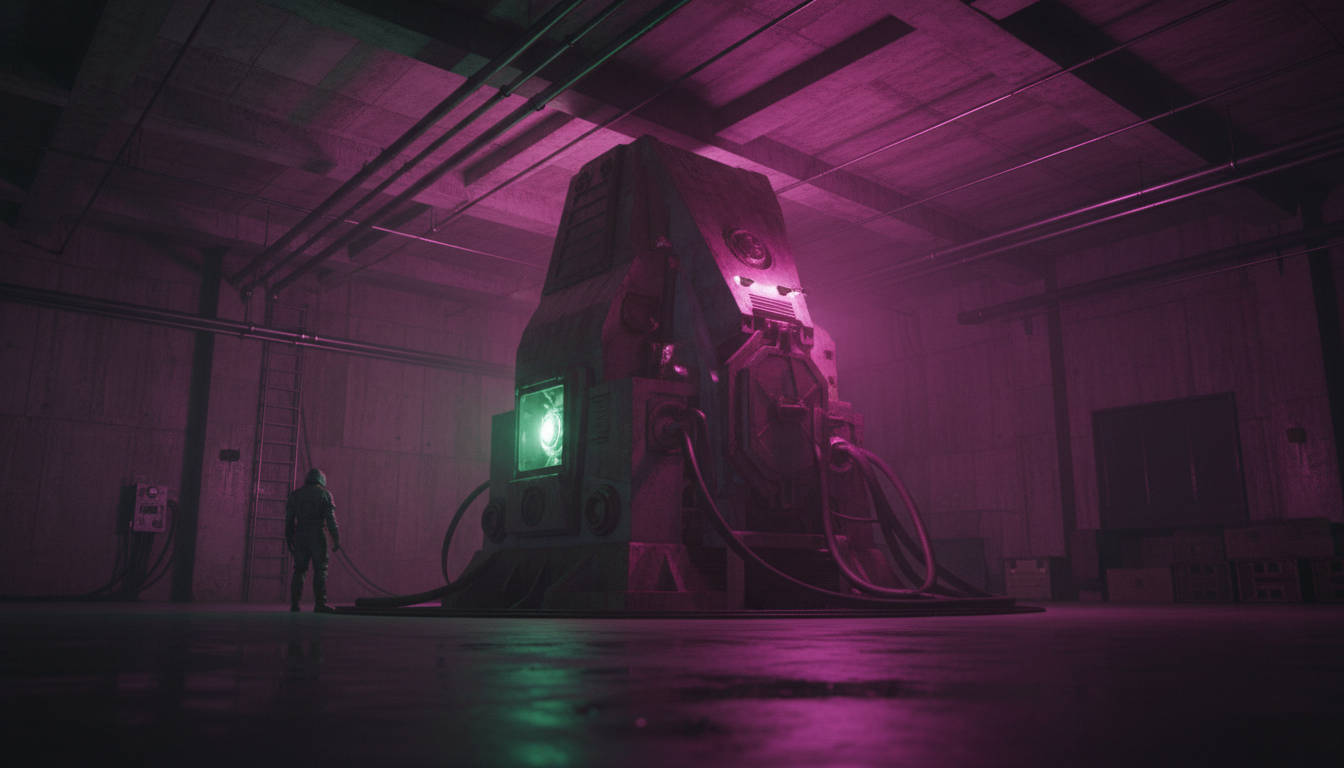
I am Mender, I am a medic, and Lark tells me she is fine four times in one morning, which I have learned by now to treat as its own kind of injury.
We wake to find the mason's warning was not exaggeration. A wind has come up overnight off the gorge, funneled by the rock walls into something that makes the bridge sing a low note none of us likes, and the sway the mason described is visible now even from the near end, a slow patient motion like something breathing.
"We walk it," I say again, and Lark nods, and does not argue, and I choose, then, to believe that is the end of the discussion.
Halfway across, on foot, leading the machine rather than riding it, a section of the deck gives under Lark's front wheel with a sound like a held breath finally let go, not a collapse, not yet, but a settling that drops the wheel four inches into a gap that was not there a moment before, and Lark goes down hard trying to hold the frame from following it over the rail, and for one full second, the same kind of second I lived through once already in a tunnel under the sea, I do not know if she is going over with it.
She is not. She comes up with a scraped hand and a machine that needs pulling back onto solid decking by both of us together, and when I ask if she is hurt she tells me she is fine, and when I ask her again after we have the machine clear she tells me she is fine, and when Bracken meets us at the far end an hour later and asks the same question in the same tone I have started to recognize as the tone people use when they already suspect the answer is not the one they are about to get, she tells him she is fine as well, and by the fourth time I have stopped believing the word means what it used to mean when she says it.
"You almost went over," I say, once we are alone, once Bracken has gone to see about a place to camp for the night, because I have never once been able to leave a wound alone just because the person carrying it says it does not hurt.
"Almost is not the same as did."
"It is close enough that I would like you to stop driving that bridge as though it did not just try to kill you."
"I was not driving it. I was walking it. I did exactly what you asked."
"Then why does it feel like you are still angry at it," I say, and she does not have an answer for that, or has one and will not give it to me, and we stand there on solid ground on the far side of a bridge that nearly took her from me in the space of one held breath, and I do not know yet, because I have not learned it yet, that this is the closest I will ever come to being handed a warning I could still act on.
I tell myself that night, writing this down by a fire she is sitting too close to the edge of, that we will simply avoid that bridge from now on, that the mason will get it fixed, that this is the kind of near thing you walk away from and let become a story you tell later rather than a hinge the whole account turns on.
I was wrong about which kind of near thing it was. I did not know that yet. I am only telling you now because the page allows it and the world at the time did not.
Chapter 5 — The Weather Nobody Named
↑ Back to ContentsFocus: a storm, a choice with no safe answer, and a door closing for the first time.
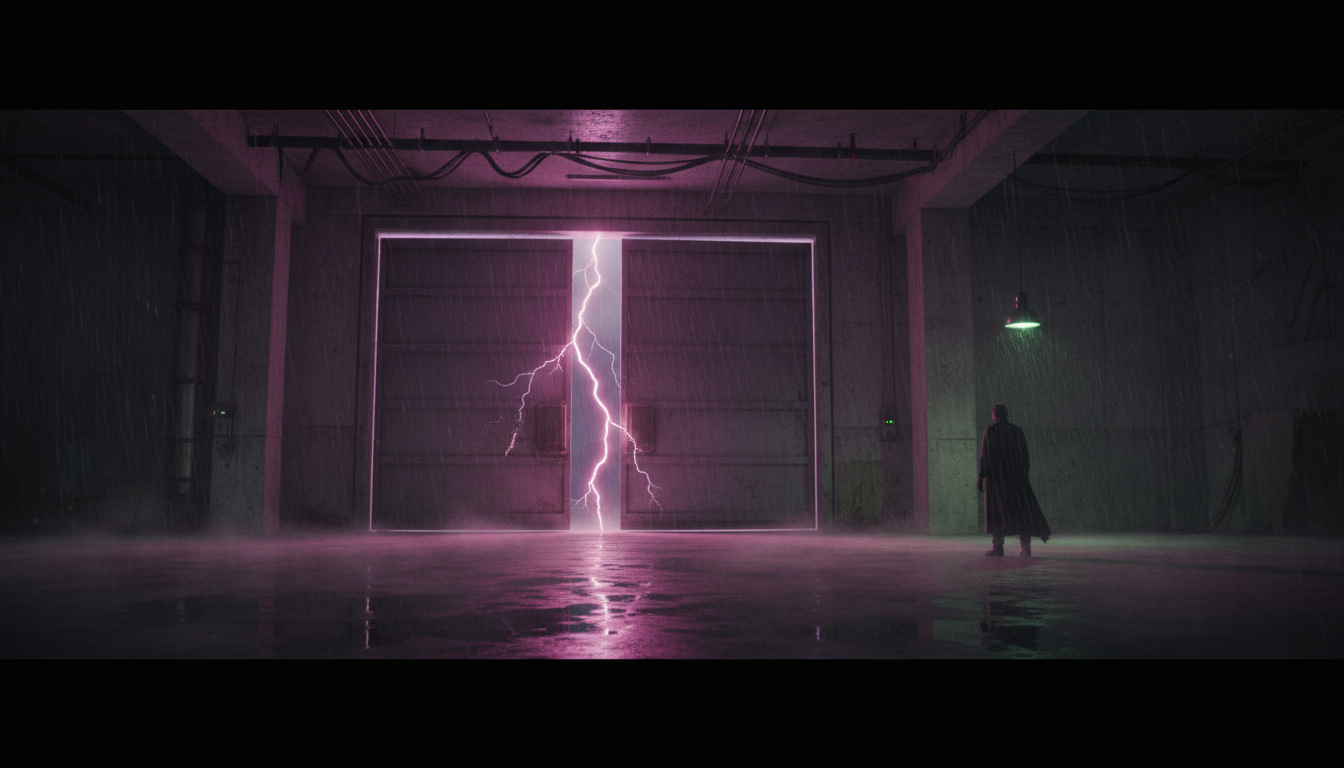
I am Mender, I am a medic, and three weeks after the bridge, the weather Lark would never name a season for finally has a reason to say the word out loud.
We are back on our rotation, the quiet towns, the small mendings, and it is good, and I want that on the page again before I say what comes next, because I have already made the mistake once in this account of letting a good stretch pass without marking it, and I do not intend to make it twice.
A storm comes up the coast in a season nobody in three towns has ever seen one come from that direction, fast and low and carrying the same wrong mineral smell the draining coast carried before we understood what was under it, and word reaches us that it is bearing down on Corrow, where the fever left half the roofs weak and the granaries lower than anyone would like heading into a storm season that was not supposed to start for another month.
"They need the reinforcing timber before it hits," the messenger says. "Three days by the low road."
"How long by the Cut," I ask, before Lark can, because I have started, without deciding to, trying to get ahead of the question before it lands on her.
"You are not asking me not to drive it," she says, reading my face the way she has always been better at reading it than I am at hiding it.
"I am asking you to let Bracken and me take the low road with the timber and let you carry only yourself, fast, so somebody reaches Corrow with warning even if the rest of us are still three days out."
She considers this longer than I expect her to, long enough that I let myself believe she is going to agree to something safer, and then she shakes her head. "The timber does no good if it arrives after the roofs are already down. I take the timber. You two take the low road behind me with the medicine, in case the roofs come down anyway."
"Lark."
"I have driven that road in wind before. I have driven it in worse than this."
"You almost went into a gorge three weeks ago on a bridge that was not even moving."
"That bridge is not this road," she says, and something closes in her face when she says it, a door I have watched her open for me a hundred times over the years now shutting for the first time in longer than I can remember, and I understand, too late to do anything useful with the understanding, that I have said the wrong thing in the wrong way and that arguing further is only going to push that door shut harder.
Bracken, loading timber onto the cart with his back to both of us, says nothing for a long moment, and then says the thing I have been trying to find a way to say for three weeks without it sounding like what it actually is. "Just this once, let it be the low road for all three of us. Corrow can wait one more day for people instead of timber."
"Corrow cannot wait one more day for warning," Lark says, and she is right, and both of us know she is right, and that is the whole terrible shape of it, that there is no version of this where the correct answer and the safe answer are the same answer.
She leaves before dawn, ahead of the storm, on the Cut, alone, and Bracken and I take the low road behind her with the timber, and I write this chapter that night in a way I have not written any chapter before it, fast, badly, because I do not want to still be holding the pen if the next thing I have to write down is the thing I am afraid it might be.
Chapter 6 — Three at the Table, Again
↑ Back to ContentsFocus: one more ordinary evening, kept short and ended on purpose before it has to end any other way.
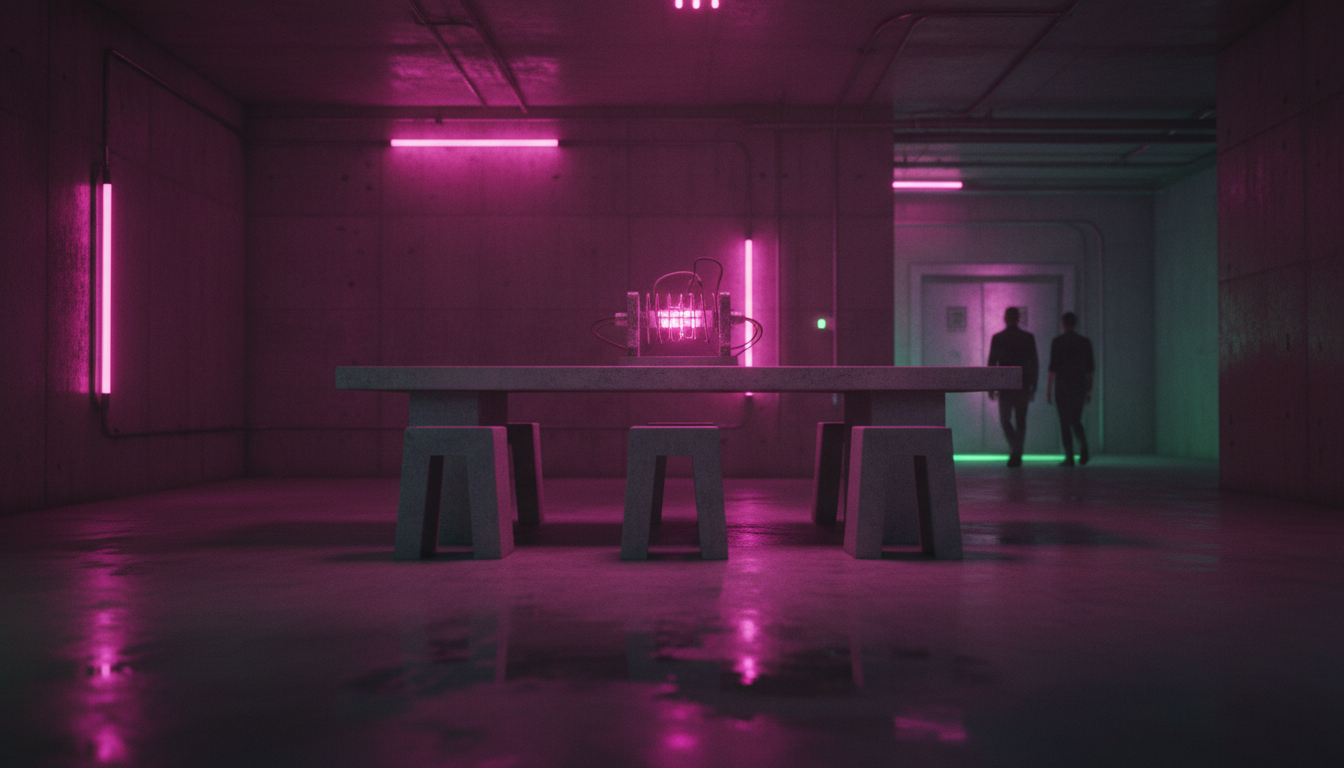
I am Mender, I am a medic, and this chapter is short, and I am not going to apologize for that, because some evenings do not have more in them than what I am about to give you.
We reach Corrow a day behind Lark, the storm already broken over the village by the time we arrive, roofs weak but standing, granaries wet but not lost, and Lark's machine parked outside the sick house where she has apparently spent the last day helping the same children she sat with during the fever, teaching two of them to hold a wrench the correct way while the storm howled outside, because that is who she has become in the years I have known her, a woman who arrives ahead of every warning and then stays to make herself useful rather than simply moving on to the next record.
We eat that night at the same table Corrow gave us during the fever, three of us again, taking up all of it the way we always have, and Lark tells the story of the drive up the Cut ahead of the storm with the kind of exaggeration that means she is genuinely proud of it and wants us to know without having to say so directly, and Bracken laughs in the places he always laughs, and I watch both of them the way I have started watching them more and more these last few years, trying to hold the shape of an ordinary evening in my memory a little longer than an ordinary evening usually asks to be held.
"You are doing the thing," Lark says to me, partway through the meal.
"What thing."
"The thing where you look at us like you are trying to remember us for later."
"I am a medic," I say. "I remember things for later. It is the job."
"It is not the job tonight," she says, and reaches over and takes a piece of bread off my plate without asking, the way she has done at every meal for years, and I let her, the way I always let her, and for one more evening, the last ordinary one this account is going to give either of us, three people take up a table meant for six and none of them needs healing.
I close this chapter here, on purpose, before the meal ends and the fire burns down and the road home begins. I have learned, writing this down, that I want at least one more chapter in this account to end on nothing worse than a piece of stolen bread.
Chapter 7 — Faster Than the Warning, Once More
↑ Back to ContentsFocus: one more run up the Cut, and the one this account has been building toward since its first page.
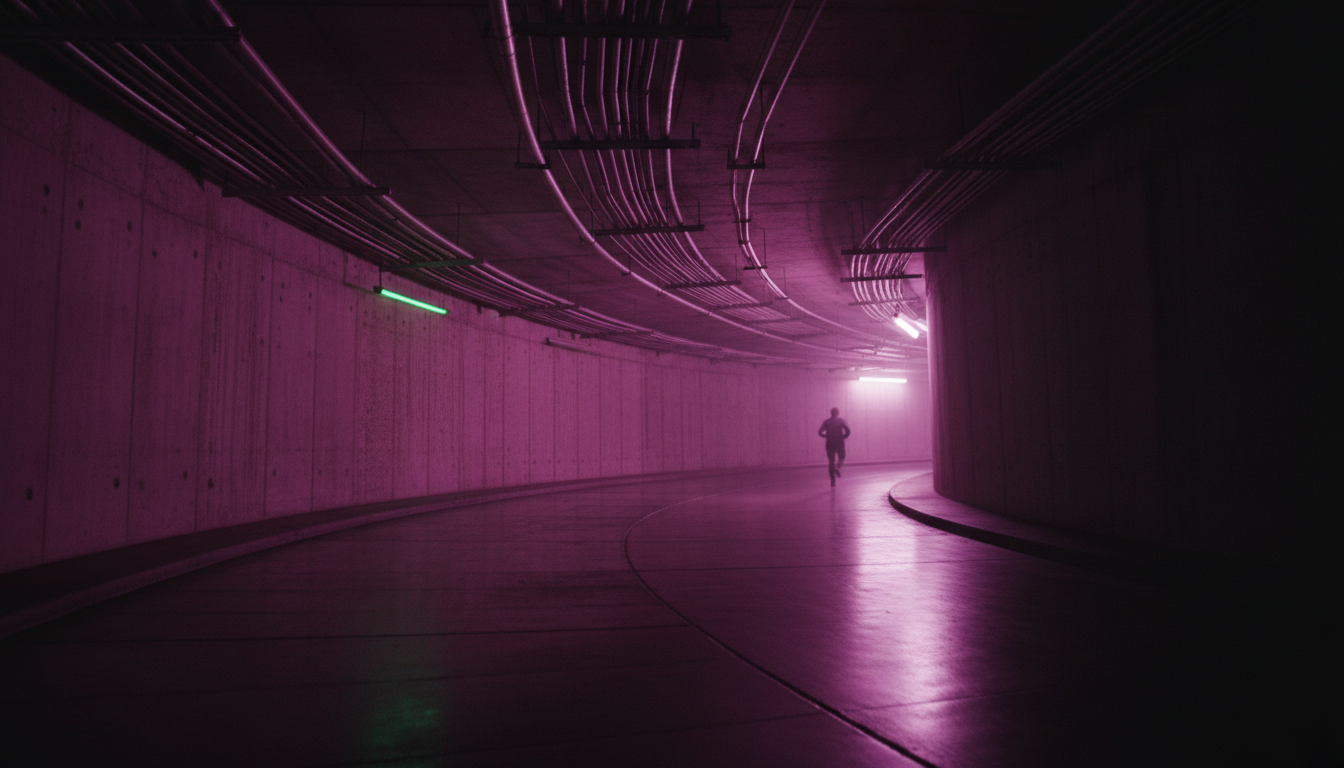
I am Mender, I am a medic, and I am going to write this chapter exactly once, and I am not going to go back and soften it, because Lark never once asked anybody to soften anything for her while she was alive to object to it.
We leave Corrow the morning after, the storm gone out to sea, the low road drying under a sun that makes the whole valley look freshly rinsed, and Lark decides, without asking either of us, to take the Cut back rather than the low road, because the Cut is faster and there is a boy in the last town on our rotation who has been sick for two days and word reached us that morning that it is worsening.
"I will beat you both there by four hours," she says, checking the frame the way she has checked it a thousand times before this one. "Have the low road ready to bring anything I cannot carry."
"Take the low road with us. One boy, four hours, it will not cost him the difference."
"It might," she says, and she is not wrong, and I have run out, by this point in the account, of ways to argue with a woman who has never once been wrong about what a few hours can cost somebody.
Bracken hugs her before she goes, which he does not usually do, and she notices it and does not comment on it, and I tell her to hold tight on the turns, which is the joke she made to me the very first time I rode with her, years ago, on a road that scared me more than any tunnel ever had, and she laughs at hearing her own words handed back to her, and that is the last thing I hear her say before she is gone up the Cut ahead of us, fast, precise, exactly the way she has always driven, no half measures, every line the only line that was ever going to work.
I am not going to describe the section of the Cut where the storm loosened what three weeks of dry weather afterward made look solid again. I was not there. Bracken was not there. Nobody was there who came back to tell it properly, and I have decided, writing this, that I am not going to invent the part I did not see, because inventing it would make it mine to tell and it was never mine, it was hers, and she is not here to correct the version I would get wrong.
What I can tell you is that we found the machine before we found her, further down the gorge than any fall should have carried it, and that the boy in the last town on our rotation lived, because word had already reached his family by another rider, and that this is a fact I have written down in this account and hate every single word of, because it means the run cost exactly what she always said it might, for a saving that arrived anyway by a slower road.
Bracken did not speak for two days. I am not certain, writing this now, how many days it has been for me either.
I do not have a canister for this. I want that written down plainly, in this account, where nobody has ever had to be plain before. Nine feet of rack, a device that closes a wound in four seconds, decades of being the man who fixes it, and not one single thing on that wall or in that basement or in these two hands does anything at all for the thing that has actually happened.
I am a medic, and for the first time since I gave anyone that sentence as an answer, it is not true. There is nothing left, this time, for me to fix.
Chapter 8
↑ Back to ContentsFocus: a fragment. Six sentences, started and abandoned, and nothing after them.
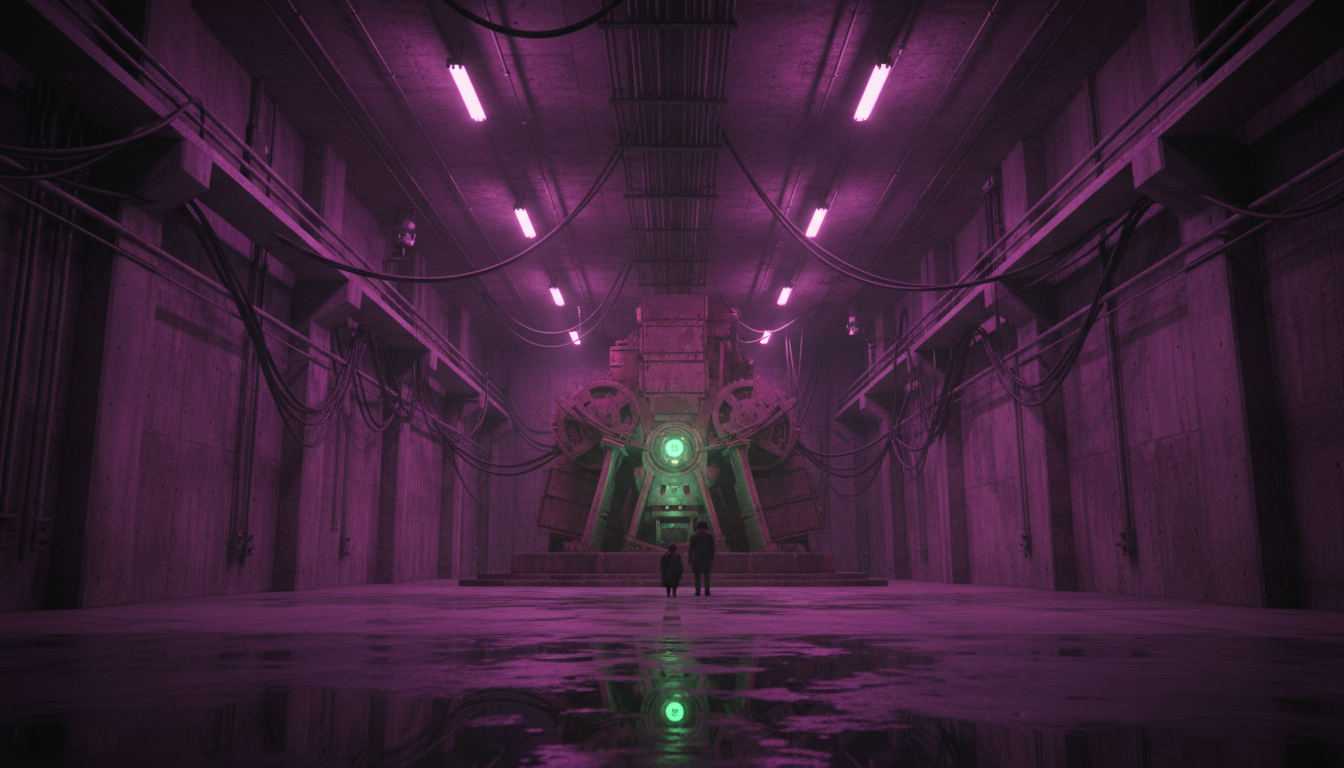
I am Mender, I am a
I do not know how to finish that sentence today. I have started this page six times and every time I write the third word I stop, because the third word has always been "a medic," and today, for reasons I am not going to pretend I do not understand, I cannot make my hand write it down.
Bracken took the cart apart and put it back together twice this week for no reason either of us has said out loud. I think he is trying to remember what her hands corrected on it. I have not asked him. I do not think either of us is ready to ask the other anything yet.$